
Starting your aromatherapy journey shouldn’t break the bank. While it’s true some oils are pricey, building a versatile and effective collection of affordable pure essential oils under $25 is entirely possible. Some of the best and most useful oils, like Lavender, Lemon, Tea Tree, and Eucalyptus, are readily available within this budget. This guide will show you how to choose the best oils for your needs, what to look for in terms of quality, and how to make your investment last. Discover how to enjoy the benefits of aromatherapy with high-quality, accessible oils.
Pricing 101: Why Some Essential Oils Cost More Than Others
Have you ever wondered why a bottle of rose oil can cost over a hundred dollars, while sweet orange is often very budget friendly? The price of an essential oil is directly tied to the plant it comes from.
- Plant Yield: Some plants produce very little oil. It can take about 4,000 kilograms of rose flowers are needed to produce 1 kilogram of rose essential oil. In contrast, it takes significantly less plant material to produce the same amount of lavender or peppermint oil.
- Harvesting and Labor: If a plant can only be harvested by hand during a specific time of day or year, the labor costs increase the final price of the oil.
- Geography and Scarcity: Plants that grow only in specific regions or are difficult to cultivate are naturally more expensive. Sandalwood, for instance, comes from a slow growing tree, making its oil a premium product.
Understanding these factors helps you see why finding affordable pure essential oils under $25 is easier for certain scents, like citrus and herbaceous oils.
Purity Terms Decoded: Navigating Labels
When you’re looking for affordable pure essential oils under $25, you’ll encounter many different labels. Knowing what they mean is key to getting a quality product.
Pure vs. Fragrance Oils
A “pure essential oil” is a concentrated liquid containing volatile aroma compounds from a single plant species. It is extracted through methods like steam distillation or expression. Fragrance oils, on the other hand, are synthetic. They are created in a lab and can contain dozens of chemical compounds to mimic a scent. While they smell nice, they do not offer the therapeutic benefits of pure essential oils.
What About ‘Therapeutic Grade’?
You will often see the term “therapeutic grade” used in marketing. However, this is not a standardized or regulated term by any official governing body. It is a marketing phrase used by companies to imply quality. Instead of relying on such terms, it’s better to look for brands that provide specific details about their oils, a practice we prioritize at Alize Living.
How to Evaluate Budget Friendly Oils: A Quick Checklist
When you find an oil that fits your budget, use this simple checklist to gauge its quality before you buy.
- Check the Label: Does it list the botanical (Latin) name of the plant? For example, true Lavender should be listed as Lavandula angustifolia.
- Look for an Origin: Reputable brands will tell you the country where the plant was grown.
- Verify the Plant Part: The label should specify which part of the plant was used, such as the flower, leaf, or resin.
- Confirm the Extraction Method: Common methods include steam distillation, cold pressing (expression), and solvent extraction.
- Packaging Matters: Essential oils should always be sold in dark colored glass bottles (like amber or cobalt blue) to protect them from light degradation.
Safety, Shelf Life, and Storage: Make Your Oils Last
Proper care ensures you get the most out of your investment. Good storage helps your affordable pure essential oils under $25 maintain their potency for as long as possible.
Most essential oils have a shelf life of about 2 to 3 years when refrigerated., though some, like patchouli and sandalwood, can improve with age. Citrus oils, however, have a shorter shelf life; a typical shelf life for citrus oils is nine months to one year, because they are more prone to oxidation.
Always store your oils in a cool, dark place with the cap tightly secured. Never dilute oils directly in the bottle. For topical application, always dilute essential oils with a carrier oil like jojoba or coconut oil to prevent skin irritation. A general guideline is to use a 1 to 2 percent dilution, which is about 6 to 12 drops of essential oil per ounce of carrier oil.
Smart Budget Tips for Buying Essential Oils
Building your collection thoughtfully will save you money in the long run.
- Start with the Basics: Begin with versatile, affordable pure essential oils under $25 like Lavender, Lemon, and Peppermint. These three can be used for relaxation, cleaning, and energy.
- Buy Smaller Sizes: A 10 ml bottle contains around 200 drops, which is plenty to start with and will last a long time when used properly in a diffuser or diluted.
- Look for Sets: Curated gift sets and bundles often provide a better value than buying individual bottles. They are a great way to sample a variety of scents. Explore the thoughtfully curated gift sets from Alize Living to find a collection that matches your wellness goals.
Where to Buy High Quality Oils for Less
The best place to find affordable pure essential oils is often directly from trusted online brands. Direct to consumer companies cut out the middleman, passing the savings on to you. Look for brands that are transparent about their sourcing, provide testing information, and focus on customer education. A pharmacist founded brand like Alize Living emphasizes safety and quality, ensuring you get a pure product you can trust without the premium MLM markup.
Top 10 Affordable Pure Essential Oils Under $25
Finding high-quality, therapeutic-grade extracts doesn’t have to be a major financial investment if you know which varieties offer the most value. This collection highlights the most versatile and pure essential oils currently available for under $25, making it easier than ever to build a diverse wellness kit on a budget. These selections prove that you can maintain a commitment to purity and potency without overspending on your daily aromatherapy needs.
1. Lavender Essential Oil
Softly floral and herbaceous, lavender is the calm-your-world classic that earns its spot for sheer versatility and beginner-proof ease. This pharmacist‑founded, organic option brings trusted quality at a price that makes nightly diffusion and skin-soothing blends an everyday ritual without splurging.
Botanical snapshot: Lavandula angustifolia; flowering tops; steam distilled; fresh floral-herbaceous middle note.
Proof of purity:
- Testing: Rigorous internal quality controls with detailed botanical transparency
- Certifications: USDA Organic (OneCert), vegan, cruelty-free
- Origin: Bulgaria; eco‑conscious production, bottled in the USA
Price & value: 10 ml: $19.00. Frequent site‑wide deals and free US shipping over $25 stretch your budget further, especially in bundles.
Use it well:
- Diffuse 3–5 drops for 30–60 minutes to unwind before bed
- Dilute 1–2% in a carrier for post‑sun or post‑shave skin soothing
- Safety: External use only; patch test; consult a professional if pregnant
2. Tea Tree Essential Oil
Bracing and medicinal, tea tree is the budget workhorse for freshening air and targeted, well‑diluted skin care. It makes the list for dependable purity, household usefulness, and easy availability from reputable, non‑MLM brands, often with transparent testing.
Botanical snapshot: Melaleuca alternifolia; leaves; steam distilled; fresh, camphoraceous top‑to‑middle note.
Proof of purity:
- Testing: Many brands offer batch‑specific GC/MS reports and downloadable COAs
- Certifications: USDA Organic, Non‑GMO Verified, vegan options
- Origin: Primarily Australia; ethical, long‑term grower partnerships
Price & value: 30 ml: $8.99 to $13.50 (≈$0.30/ml). A standout bargain for a widely useful single oil.
Use it well:
- Diffuse 3–4 drops to deodorize and freshen stuffy rooms
- 5%-15% solution or gel applied once daily as spot or area treatment for occasional blemishes
- Safety: Toxic if ingested by pets; diffuse with ventilation and store tightly capped away from heat and light
3. Peppermint Essential Oil
Cool, piercing, and instantly energizing, peppermint shines for focus and clear‑breathing blends. It’s a sub‑$25 staple with strong transparency from trusted sellers, so you can stock up for desk diffusers and post‑workout roll‑ons without overthinking it.
Botanical snapshot: Mentha × piperita; leaves; steam distilled; icy‑fresh top note.
Proof of purity:
- Testing: Batch‑specific GC/MS reports and COAs typically provided
- Certifications: USDA Organic, Non‑GMO, Leaping Bunny cruelty‑free
- Origin: Ethically sourced from India and the USA
Price & value: 10 ml: $8.99 (≈$0.90/ml). 30 ml organic sizes around $16.99 keep it well under $25.
Use it well:
- Diffuse 3–4 drops for an alert, mint‑clean workspace
- Dilute up to 5% for a cooling post‑exercise rub
- Safety: Avoid on the face of babies and toddlers; exercise special caution with peppermint oil (menthol) in children under three years; may reduce milk supply during breastfeeding; discontinue if irritation occurs
4. Orange (Sweet) Essential Oil
Sunny, juicy, and mood‑brightening, sweet orange is the breezy all‑rounder for cheerful diffusion and sparkling DIY cleaners. It’s widely available, sustainably sourced as a juice‑industry byproduct, and typically one of the lowest‑cost oils you can buy.
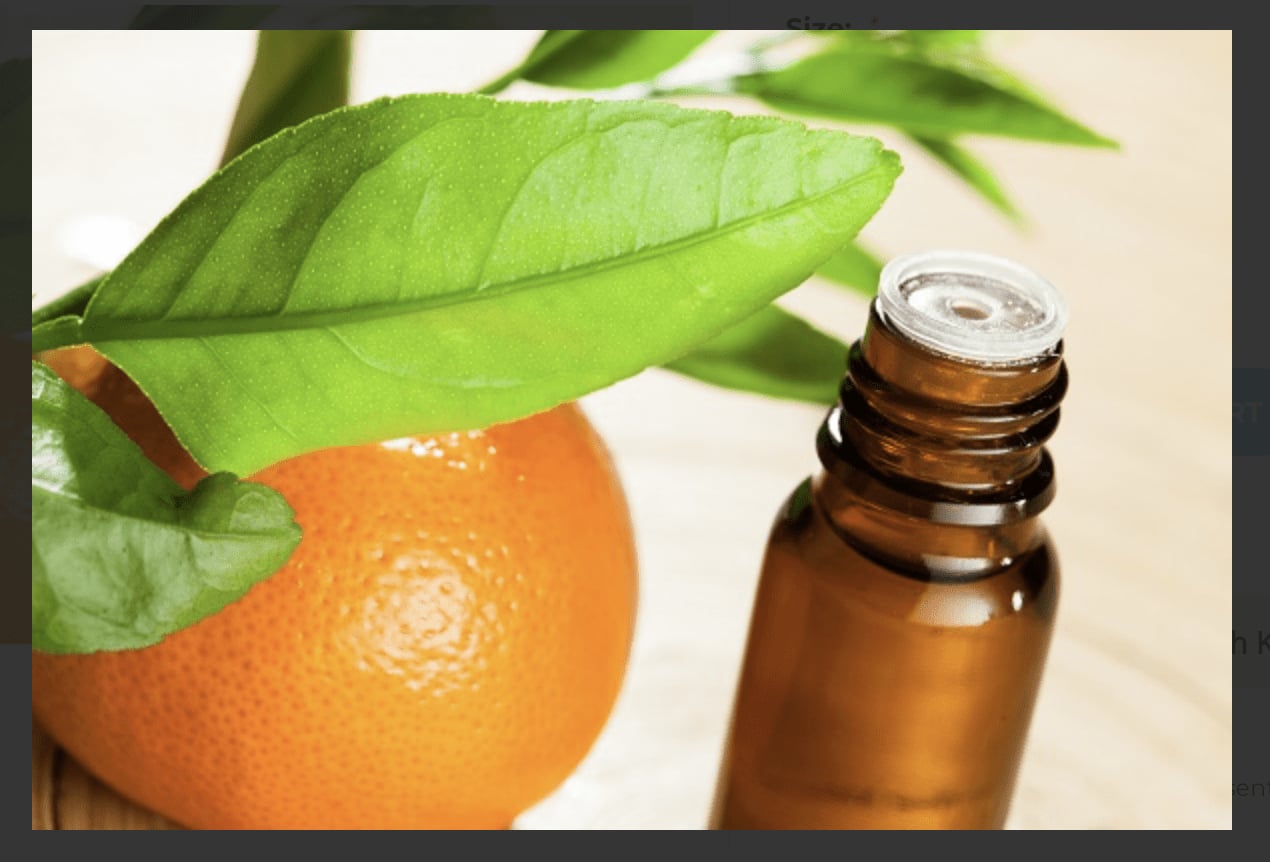
Botanical snapshot: Citrus sinensis; peel/rind; cold‑pressed; bright citrus top note.
Proof of purity:
- Testing: Batch GC/MS reports available for download
- Certifications: USDA Organic; cruelty‑free and vegan options
- Origin: Italy, Mexico, or USA; eco‑friendly mechanical expression
Price & value: 10 ml: $10.99. 30 ml bottles around $15.99 (≈$0.53/ml) are exceptional everyday value.
Use it well:
- Diffuse 3–4 drops to lift mood and banish stale odors
- Add to all‑purpose cleaners for citrus‑fresh, grease‑cutting power
- Safety: Generally non‑phototoxic; dilute 1–2% topically and store cold to slow oxidation
5. Eucalyptus Globulus Essential Oil
Brisk and clarifying, eucalyptus globulus is a budget classic for clearer breathing and fresher air. High in 1,8‑cineole, it’s powerful yet affordable, making it ideal for steamy showers and well‑ventilated diffusers when seasonal stuffiness strikes.
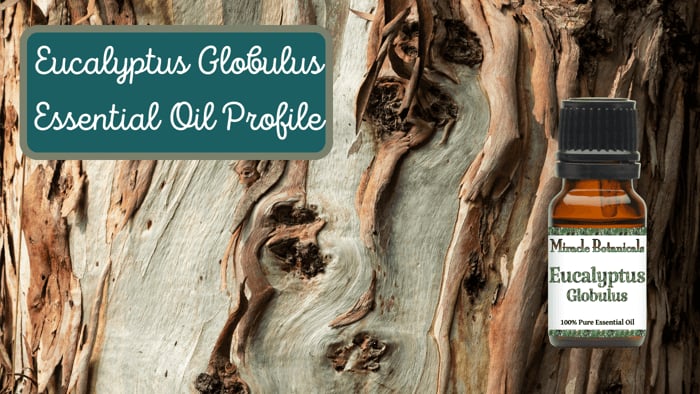
Botanical snapshot: Eucalyptus globulus; leaves; steam distilled; cool, camphoraceous top note.
Proof of purity:
- Testing: Third‑party, batch‑specific GC/MS reports
- Certifications: USDA Organic and vegan options
- Origin: Portugal; suppliers emphasize ethical sourcing and documentation
Price & value: 30 ml: $12.50 (≈$0.42/ml). Strong value while staying well under $25.
Use it well:
- Diffuse 2–3 drops in open rooms for crisp, airy freshness
- Dilute 2–5% in a carrier oil for invigorating chest or muscle applications
- Safety: Avoid use near faces of infants/young children; consult your provider if pregnant or nursing
6. Eucalyptus Radiata
Think of radiata as the gentle cousin to globulus: crisp and refreshing, but often preferred for beginners. It keeps the respiratory benefits while feeling a touch softer in aroma, and the price stays squarely in budget territory.
Botanical snapshot: Eucalyptus radiata; leaves; steam distilled; clean, camphoraceous note.
Proof of purity:
- Testing: Public, batch‑specific third‑party GC/MS reports
- Certifications: USDA Organic; cruelty‑free and vegan options
- Origin: Australia and South Africa; transparent, sustainability‑minded sourcing
Price & value: 10 ml: $10.99. About $17.00 for 30 ml (≈$0.57/ml) is excellent value.
Use it well:
- Diffuse 2–3 drops for gentle, clear‑breathing support
- Dilute 3-5% in a carrier for chest rubs.
- Safety: External use only; avoid faces of young children; consult a professional if pregnant
7. Rosemary Essential Oil (ct Cineole)
Vividly herbaceous with a camphor lift, rosemary ct 1,8‑cineole is a budget‑friendly pick for focus, study sessions, and clarifying blends. Chemotype labeling boosts transparency, and under‑$15 pricing makes it a smart everyday staple.
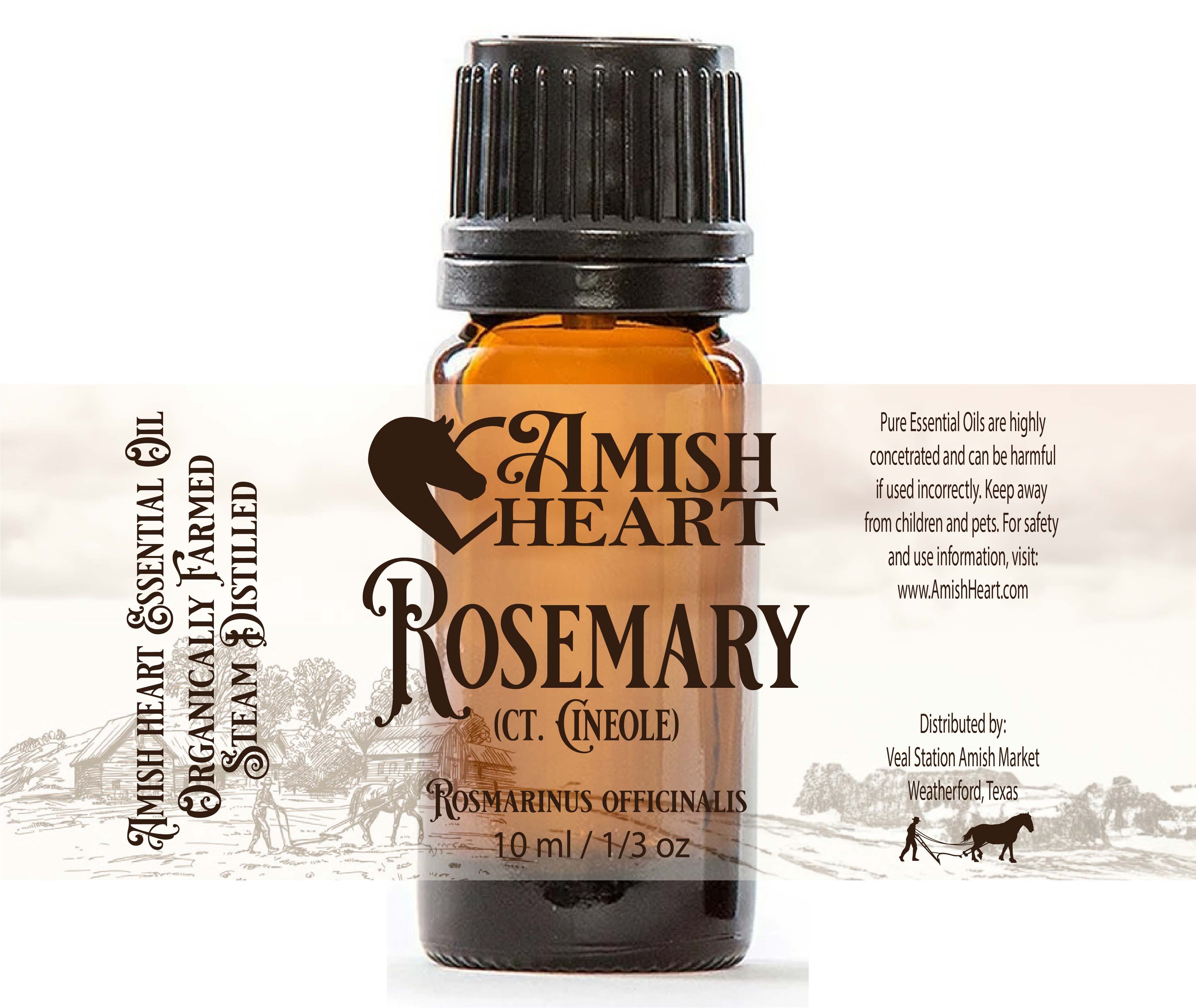
Botanical snapshot: Salvia rosmarinus (ct 1,8‑cineole); leaves/twigs; steam distilled; fresh herbaceous middle‑top.
Proof of purity:
- Testing: Per‑batch GC/MS reports published
- Certifications: USDA Organic; Leaping Bunny cruelty‑free options
- Origin: Morocco/Tunisia; emphasis on ethical, sustainable harvests
Price & value: 10 ml: $11.99. Some 15 ml sizes dip under $10, pushing cost/oz even lower.
Use it well:
- Diffuse 2–3 drops to sharpen mental clarity
- Dilute to 1–2% in a carrier for scalp and hair growth serums
- Safety: Avoid near faces of infants/young kids; contraindicated for seizure disorders; max topical dilution 4%
8. Lemon (Distilled)
Sparkling and zesty, steam‑distilled lemon delivers that clean‑citrus lift without the phototoxic baggage of cold‑pressed varieties. It’s tailor‑made for leave‑on skincare, daytime rollers, and bright‑smelling cleaners, all while staying comfortably under $25.
Botanical snapshot: Citrus × limon; peel; steam distilled; bright, clean citrus top note.
Proof of purity:
- Testing: Batch GC/MS reports available online
- Certifications: USDA Organic; cruelty‑free and vegan
- Origin: Italy or Argentina; verified ethical, sustainable practices
Price & value: 10 ml: $11.99. 30 ml around $15.99 keeps cost-per‑use low.
Use it well:
- Diffuse ~3 drops per 100 ml water for a fresh, purified vibe
- Add to DIY cleaners for sparkling, lemon‑clean counters
- Safety: Non‑phototoxic; dilute to ~2% topically; for kids/pregnancy, use conservative dilutions and consult a professional as needed
9. Citronella Essential Oil
Lemony‑green with a softly woody edge, citronella is the seasonal MVP for patios, porches, and camp kits. It’s proven for outdoor freshness and repellency, widely documented with GC/MS transparency, and priced for generous summer use.
Botanical snapshot: Cymbopogon winterianus; leaves; steam distilled; lemony‑grassy top‑middle note.
Proof of purity:
- Testing: Batch‑specific GC/MS reports typically available
- Certifications: USDA Organic; Leaping Bunny cruelty‑free
- Origin: Indonesia or India; Java variety prized for aromatic strength
Price & value: 10 ml Organic: $11.99. 30 ml averages ~$17.99 (sub‑$0.60/ml) for high‑volume seasonal needs.
Use it well:
- Diffuse 3–5 drops to freshen stale indoor air between gatherings
- - Blend at ~1% in a carrier for outdoor skin applications
- Safety: Always dilute to avoid irritation; consult a provider if pregnant or nursing
10. Lemon Eucalyptus Essential Oil
Crisp, lemony, with a rosy lift, lemon eucalyptus is a go‑to for airy freshness and outdoor blends, delivering versatility at a very friendly price. It’s a top pick when you want bright, clean diffusion that still feels a little sophisticated.
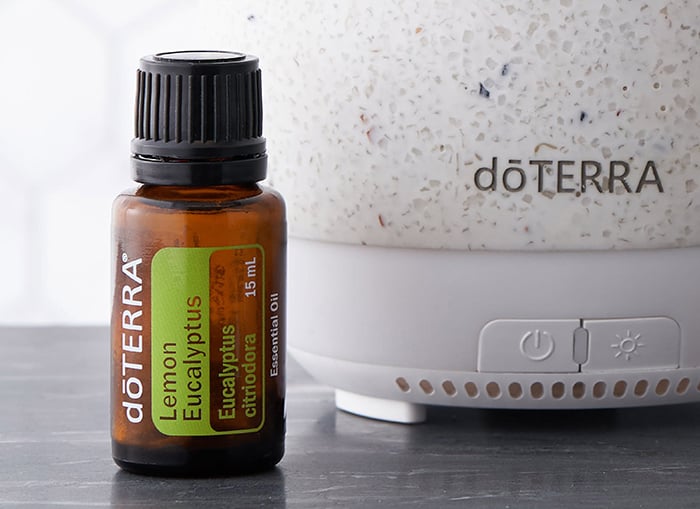
Botanical snapshot: Corymbia citriodora; leaves; steam distilled; bright lemony top‑to‑middle note.
Proof of purity:
- Testing: Batch‑specific GC/MS reports via Plant Therapy
- Certifications: USDA Organic; Leaping Bunny cruelty‑free; vegan
- Origin: Brazil or Madagascar; full botanical transparency provided
Price & value: 10 ml: $10.99. 30 ml: ~$17.99 (≈$0.60/ml) keeps costs in check.
Use it well:
- Diffuse 3 drops to deodorize kitchens, mudrooms, or gear closets
- - Blend at ~1% in a carrier for a fresh, post‑hike body oil
- Safety: patch test; always dilute before topical use
Conclusion: Your Next Steps to a Quality Collection
Building a high quality aromatherapy collection doesn’t require a large budget. By focusing on versatile oils from transparent brands, you can enjoy the authentic benefits of nature without overspending. Remember to check for botanical names, understand pricing factors, and store your oils properly to maximize their value. You are now equipped with the knowledge to select the best affordable pure essential oils under $25 for your wellness journey.
Ready to explore pure, organic, and affordable options? Visit Alize Living to start your collection today!
Frequently Asked Questions
What are the most affordable pure essential oils under $25?
Generally, citrus oils like Lemon, Sweet Orange, and Grapefruit are the most affordable. Herbaceous oils such as Rosemary, Eucalyptus, and Tea Tree are also very budget friendly and versatile.
Are cheap essential oils fake or low quality?
Price is not the only indicator of quality. Some oils are naturally less expensive to produce. However, extremely low prices can be a red flag for adulterated or synthetic oils. Always buy from a reputable brand that provides transparent information about their products.
Can I use affordable essential oils for skincare?
Yes, provided they are pure and properly diluted. Oils like Tea Tree and Frankincense are excellent for skin applications. Always perform a patch test on a small area of skin first.
How can I be sure my affordable pure essential oils under $25 are truly pure?
Look for brands that provide the botanical name, country of origin, extraction method, and plant part used. USDA Organic certification is another strong indicator of quality and purity.
What is the best way to start a collection on a budget?
Begin with five basic oils that cover a range of uses, such as Lavender for calm, Lemon for cleaning and mood, and Peppermint for energy and focus. Buying a pre curated set is also a cost effective option.
Why should I choose a pharmacist founded essential oil brand?
A pharmacist founded brand like Alize Living brings a unique level of expertise regarding purity, safety, and proper usage. This background provides an extra layer of trust and credibility, ensuring the guidance and products are based on scientific understanding.


