
TL;DR
The best aromatherapy oils for your diffuser depend on what you want them to do. Lavender leads for sleep, backed by multiple clinical trials. Rosemary and peppermint show the strongest signals for focus and alertness. Citrus oils like sweet orange and grapefruit are crowd-pleasing mood lifters, and eucalyptus is the go-to for that “breathe easy” feeling during cold season. Start with 3 to 5 drops per 100 ml of water, run your diffuser in 30 to 60 minute cycles, and keep sessions short if you have cats.
Pick Your Oils by Goal First
Most people browse essential oil lists alphabetically. That’s backwards. Start with what you actually want the oil to do, then narrow down by scent preference and price.
| Goal | Top Oil Picks | Why These |
|---|---|---|
| Sleep and relaxation | Lavender, cedarwood, bergamot, frankincense | Lavender has the strongest clinical evidence for improved sleep quality |
| Focus and alertness | Rosemary, peppermint, sweet orange | Small trials link rosemary and peppermint to better alertness and memory |
| Breathe easy | Eucalyptus, rosemary, peppermint | Widely used for perceived congestion relief; eucalyptus components appear in OTC rubs |
| Lift your mood | Sweet orange, grapefruit, bergamot, ylang-ylang | Citrus oils show anxiolytic and positive-affect signals in lab studies |
| Meditation and centering | Frankincense, cedarwood, cypress | Resin and wood notes anchor attention; traditionally used in contemplative practice |
If you want a single starter oil, get lavender. It blends with almost everything, the evidence is the least ambiguous, and nearly everyone finds the scent tolerable. If you want a starter set that covers multiple goals, the Relaxation Retreat Gift Box bundles complementary oils so you can experiment without buying five separate bottles.
Diffuser Safety in 90 Seconds
Read this before anything else. Most “best oils for diffuser” guides bury safety at the bottom or skip it entirely. These rules prevent headaches, irritation, and harm to vulnerable household members.
Timing: Run your diffuser 30 to 60 minutes on, then 30 to 60 minutes off. Very low background diffusion can run longer, but intermittent cycling is safer and more effective. The Tisserand Institute’s diffusion guidelines are the gold standard here.
Dosing: 3 to 5 drops per 100 ml of water. Even if your diffuser manual says more, start low and scale up. Practitioners on Reddit report that the most common beginner mistake is dumping in too many drops, then blaming the oil when they get a headache.
Pets: Cats are especially sensitive to essential oils. The ASPCA advises keeping diffusers away from pets and avoiding high-risk oils (tea tree, eucalyptus, peppermint, citrus, ylang-ylang) around cats entirely. Birds should not be in a home where oils are diffusing. Dogs tolerate diffusion better but still need ventilation and an exit route.
Babies, pregnancy, asthma, migraines: Use extra caution or avoid diffusing altogether. The evidence for benefits in these groups is mixed, and the NCCIH notes that studies remain heterogeneous. Follow guidance from NAHA or Tisserand, and talk to your doctor.
If you get a headache or irritation: It’s almost always too much oil or too long a session. Reduce drops, shorten the cycle, or move the diffuser farther from where you sit.
At-a-Glance Comparison: 13 Best Aromatherapy Oils for Diffusers
| Oil | Best For | Scent Family | Evidence Level | Price (10 ml) | Key Watchout |
|---|---|---|---|---|---|
| Alize Living Organic Oils | Best overall collection | Full spectrum | Brand-level | $16.00–$25.00 | US-only shipping; smaller catalog |
| Lavender | Sleep, general calm | Floral | High (multiple RCTs) | $19.00 | Can feel flat alone; nose fatigue |
| Bergamot | Evening unwind | Citrus-floral | Moderate (small RCTs) | $25.00 | Scent fades fast in diffusers |
| Eucalyptus | Congestion comfort | Camphoraceous | Limited (widely used) | $18.00 | Too strong in small rooms; avoid around cats |
| Peppermint | Midday alertness | Cool mint | Moderate (lab studies) | $18.00 | Easily overpowering; avoid around cats |
| Rosemary | Deep work, studying | Herbaceous | Moderate (small trials) | $20.00 | Too herbal for some noses |
| Sweet Orange | Mood boost | Citrus | Moderate (RCT signals) | $16.00 | Dissipates quickly |
| Grapefruit | Morning energy | Citrus | Emerging | $22.00 | Fades fast; avoid around cats |
| Frankincense | Meditation, centering | Resin | Emerging/Traditional | $16.00 | Resin note is not for everyone |
| Cedarwood | Cozy bedtime blends | Woody | Traditional/Clinical blends | $19.00 | Can feel heavy if overdosed |
| Ylang-Ylang | Sensuous evening calm | Sweet floral | Moderate (BP/HR study) | $24.00 | Headache-prone if overused |
| Cypress | Fresh daytime calm | Evergreen | Traditional/User-favorite | $19.00 | Subtle; may underwhelm solo |
| Lemongrass | Kitchen refresh | Citrus-herbal | Emerging | $17.00 | Some find it “smells like cleaner” |
Prices reflect Alize Living organic oils at time of writing. All are USDA organic, vegan, and cruelty-free.
The 13 Best Aromatherapy Oils for Your Diffuser
1. Alize Living Organic Essential Oils
Best for: Full-spectrum aromatherapy with verified organic sourcing and pharmacist-guided use
Alize Living earns the top spot not as a single oil but as the best overall source for diffuser-grade aromatherapy oils. Founded by a pharmacist who transitioned from traditional medicine into holistic wellness, the brand offers USDA organic, vegan, cruelty-free essential oils made in the USA. Every product page lists the botanical name, plant part, extraction method, and country of origin, which is the kind of transparency that separates trustworthy oils from generic bottles with nothing but a common name on the label.
- Range: 14 pharmacopeia-grade organic essential oils covering sleep, focus, respiratory comfort, and mood support
- Price: $16.00 to $25.00 per 10 ml bottle; curated gift sets from $33.00 to $86.00
- Starter sets: The Relaxation Retreat Gift Box and Balance and Harmony Gift Box bundle complementary oils at better per-bottle value than buying individually
Why it stands out:
- USDA organic certification with a dedicated organic certificate page
- Pharmacist founder brings clinical credibility to product selection and usage guidance
- Detailed botanical specs on every product page (e.g., Frankincense listed as Boswellia serrata, resin, steam distillation, origin India; Lavender as Lavandula angustifolia, flowering tops, distillation, origin Bulgaria)
- Thematic bundles including zodiac-themed sets and seasonal gift boxes for easy gifting
- Free US shipping on orders over $25 with 1 to 2 business day processing
- 4.8/5 rating across 17 reviews on Amazon
Tradeoffs and honest notes:
- US-only shipping, so international buyers are out of luck for now
- Smaller catalog than legacy essential oil brands, and some SKUs go out of stock periodically
- The organic certificate page shows badge imagery but doesn’t display a specific certifier name or certificate ID
- Entry-level pricing compared to premium MLM brands like doTERRA and Young Living, which is a plus for most buyers but may raise “too good to be true” concerns for some
The individual oils reviewed below (items 2 through 13) are all available from Alize Living, with links to their specific product pages.
2. Lavender
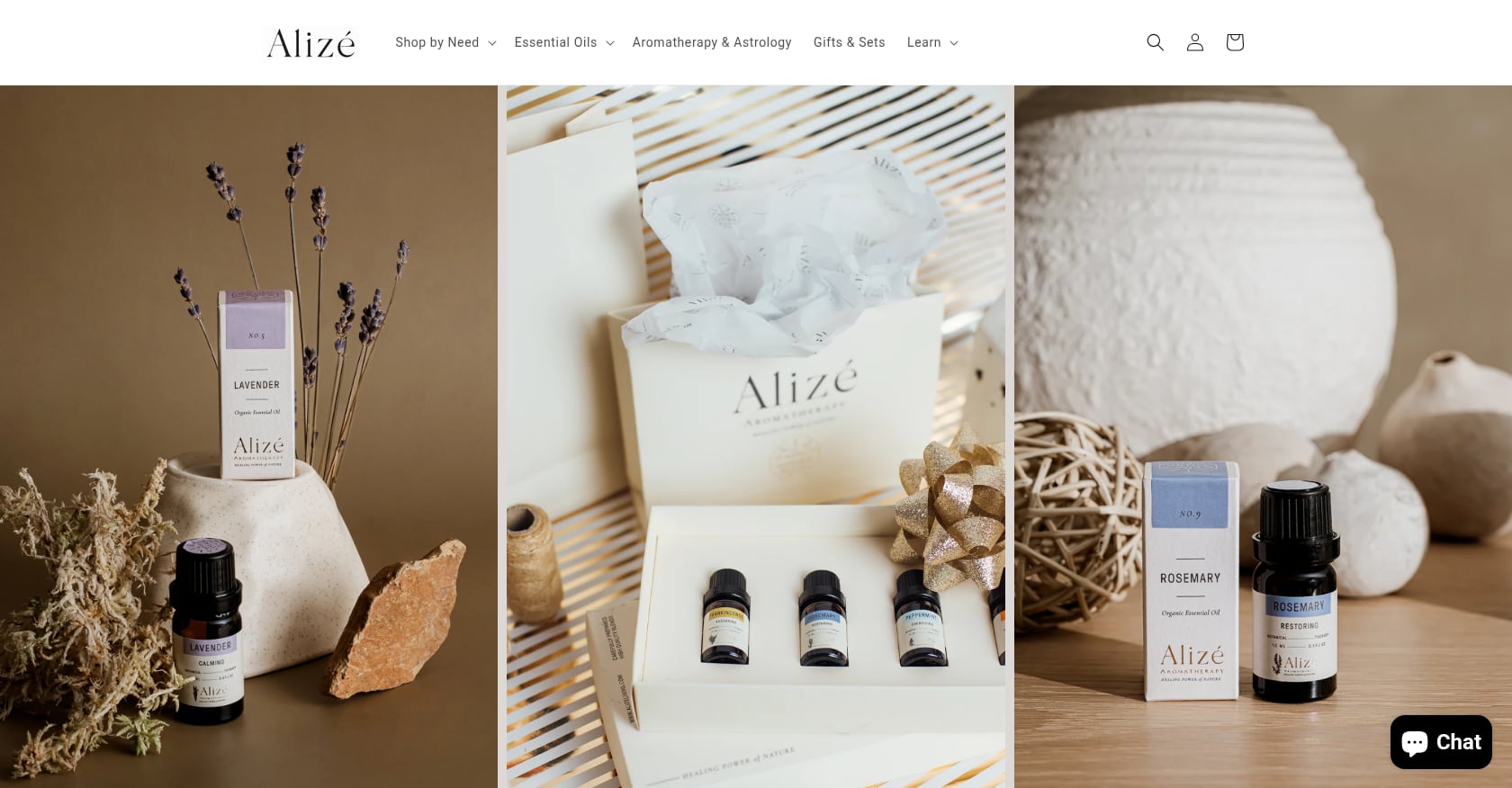
Best for: Sleep, winding down, and general calm
Lavender is the undisputed starting point for diffuser aromatherapy, and for good reason. Multiple RCTs and meta-analyses support the idea that inhaled lavender can improve sleep quality across various populations, from college students to older adults. It also shows signals for reducing pre-procedure anxiety. No other diffuser oil has this depth of clinical backing.
- Scent: Soft floral, mid-note. Blends beautifully with cedarwood, bergamot, and chamomile.
- Price: $19.00 / 10 ml (Organic Lavender essential oil)
- How to use: 3 to 4 drops in 100 ml water, 30 to 60 minutes before bed. Pair with 1 to 2 drops of cedarwood for warmth.
Tradeoffs and honest notes:
- Can feel “flat” or one-dimensional when diffused alone. Blending solves this.
- Sensitive users report headaches when overusing it. Go light (fewer drops, shorter sessions) to avoid olfactory fatigue.
- Some people simply don’t like floral scents. That’s fine. Try cedarwood or frankincense for sleep instead.
What users say: Lavender is the most recommended starter oil across forums and communities. Practitioners on Reddit consistently suggest it as a nightly routine oil, though several note that more is not better. One common thread: people who crank up the drops end up disliking lavender, then discover they love it at 2 to 3 drops.
3. Bergamot
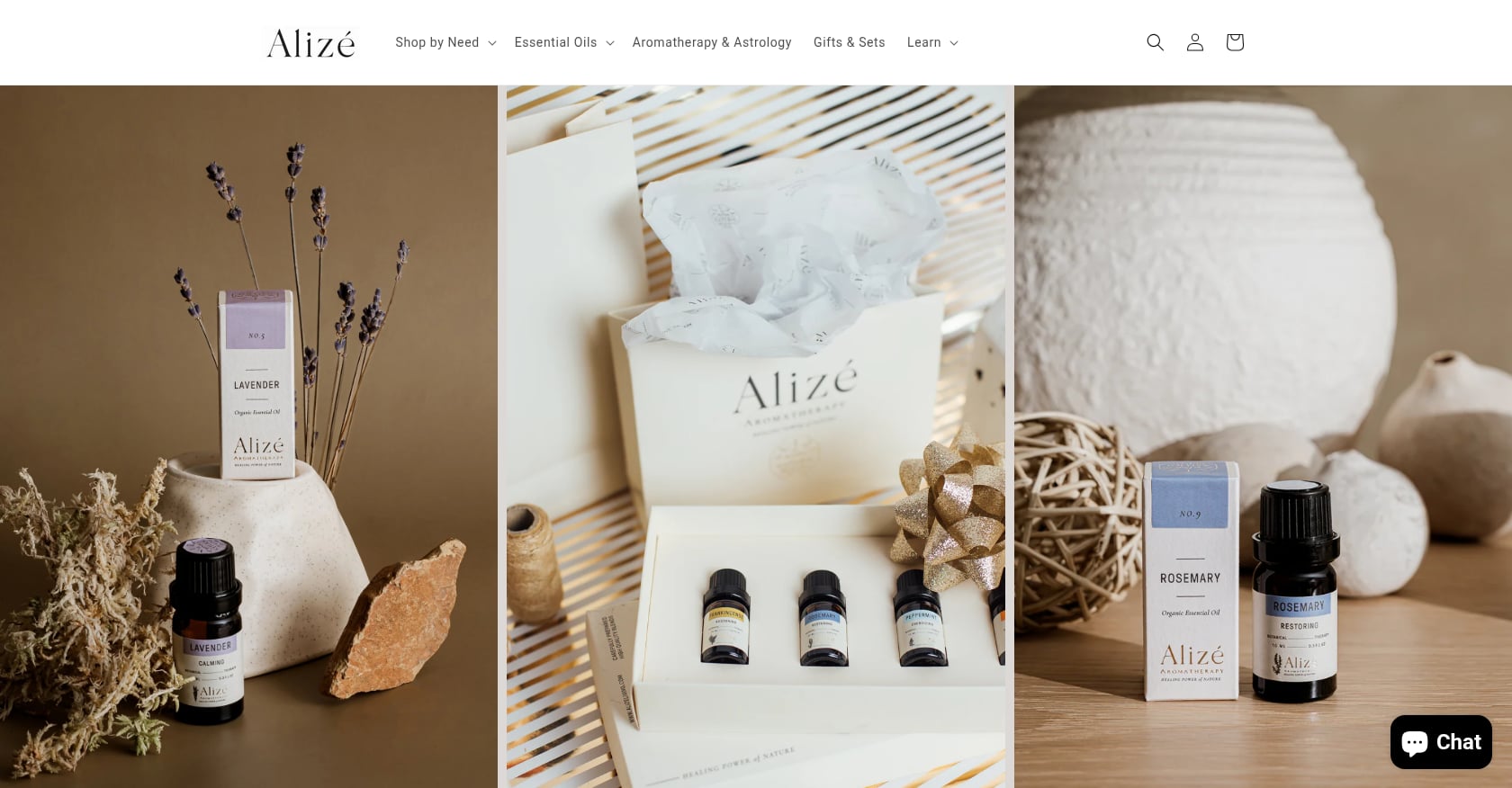
Best for: Calm uplift without sedation (evening unwind, pre-event nerves)
Bergamot sits in a unique spot. It’s citrus, so it feels bright and present, but it carries floral-green facets that lean calming rather than energizing. Small RCTs show it may reduce pre-surgical anxiety, making it a solid choice for high-stress evenings.
- Scent: Citrus with floral-green depth. Versatile blender.
- Price: $25.00 / 10 ml (USDA organic Bergamot)
- How to use: 3 drops bergamot plus 2 drops lavender is a classic calm blend. Works well in living rooms during the early evening.
Tradeoffs and honest notes:
- Citrus top notes can be fleeting in ultrasonic diffusers. Pair with a wood or resin oil (frankincense, cedarwood) to anchor the scent.
- It’s the priciest single oil on this list at $25 for 10 ml, which reflects the cost of bergamot extraction.
- Phototoxicity is a real concern for topical use, but it does not apply to diffusing.
What users say: Community blends pairing bergamot with lavender and geranium show up frequently in anxiety-relief threads. One soapmaker on Reddit noted that bergamot’s scent can feel “too fleeting” when used alone, a complaint that carries over to diffusers.
If you plan to diffuse bergamot regularly for stress, the Stress Relief Kit pairs it with complementary oils at a better per-bottle value than buying individually.
4. Eucalyptus
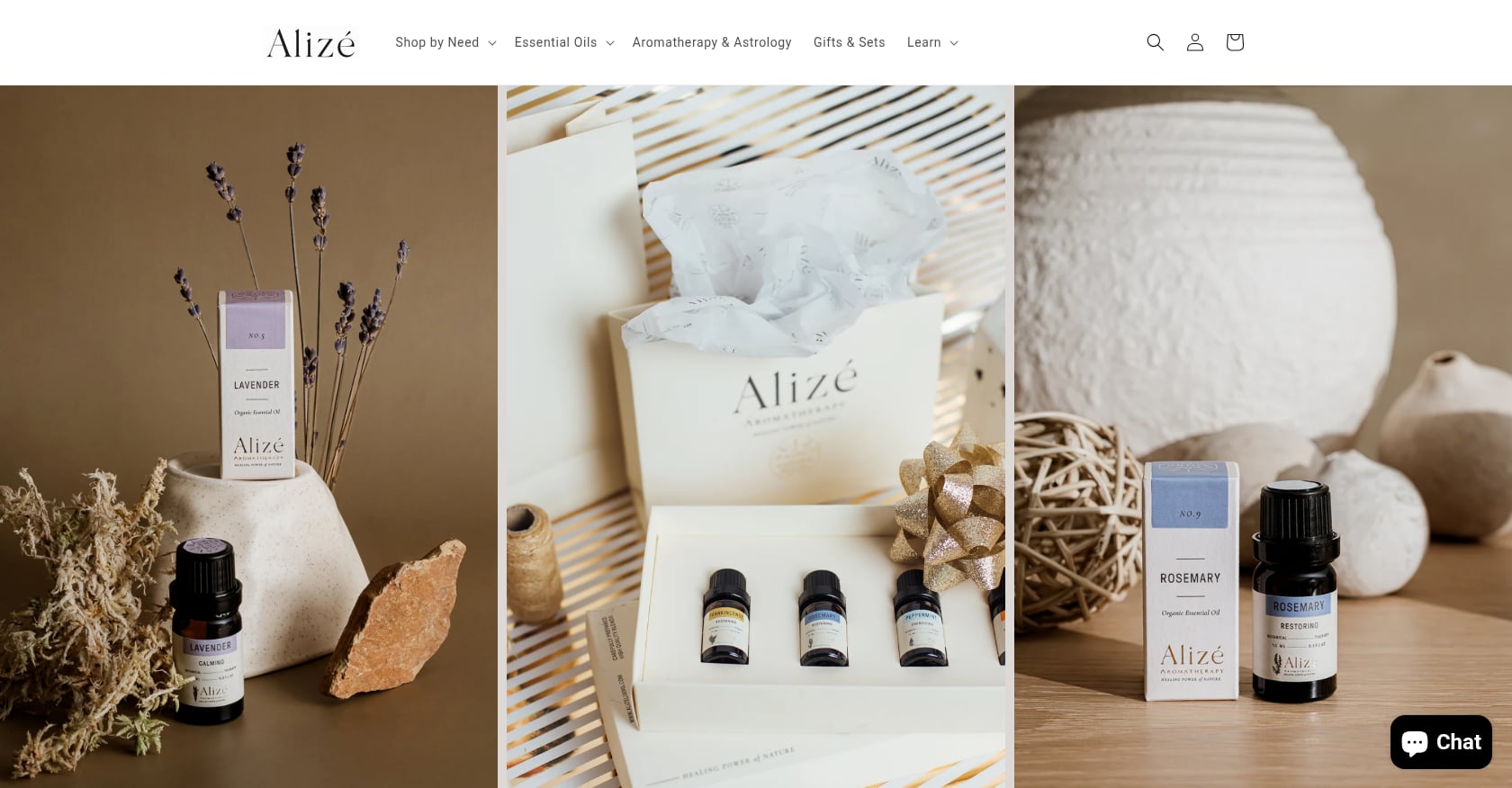
Best for: “Breathe easy” ambiance during colds, allergies, and sinus discomfort
Eucalyptus is the first oil most people reach for when they’re congested. The clinical evidence for inhaled eucalyptus directly treating respiratory infections is more limited than you’d expect, but its components do appear in OTC decongestant rubs, and subjective relief is widely reported. Think of it as a comfort ritual, not a cure.
- Scent: Camphoraceous, sharp, clearing. Strong top note.
- Price: $18.00 / 10 ml (Organic Eucalyptus)
- How to use: 2 to 3 drops in 100 ml water. In small rooms, start with 2. Blends well with rosemary and a single drop of peppermint.
Tradeoffs and honest notes:
- Very strong in small or poorly ventilated spaces. This is the oil people most often overdo.
- Avoid diffusing around cats. The ASPCA lists eucalyptus among high-risk oils for felines.
- Won’t replace medical treatment for sinus infections or chronic congestion.
What users say: In sinusitis and allergy communities on Reddit, eucalyptus is a go-to recommendation, but experienced users pair it with medical care rather than treating it as a standalone remedy. One common tip: use it during a hot shower rather than all-night diffusion for the strongest perceived relief.
5. Peppermint
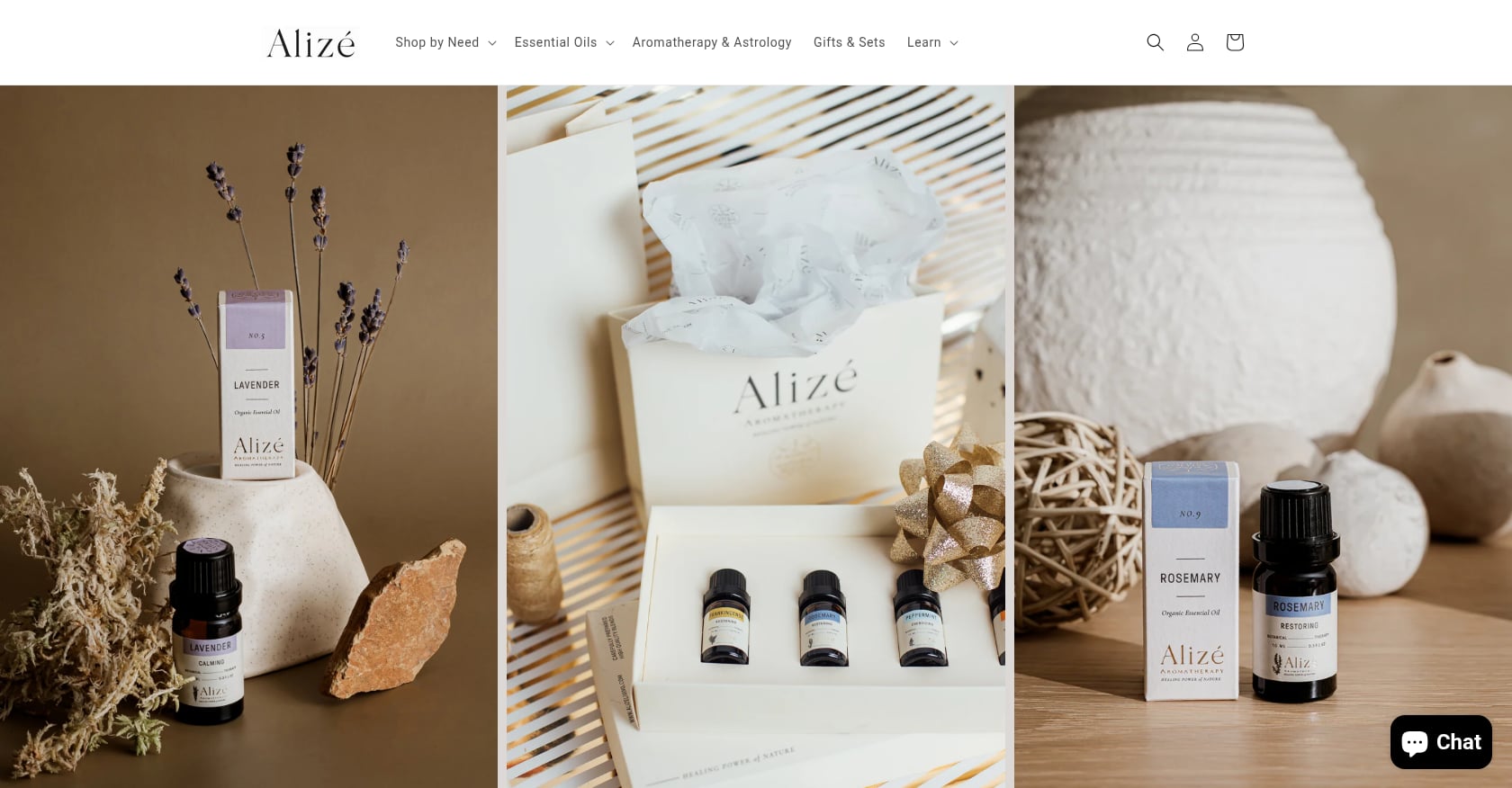
Best for: Midday pick-me-up, mental alertness, “wake up” moments
Peppermint is the cold splash of water in essential oil form. Lab and field studies associate its aroma with improved alertness and certain cognitive measures. It’s a solid afternoon diffuser choice when you need to push through a slump.
- Scent: Cool, sharp mint. Pairs well with citrus and rosemary.
- Price: $18.00 / 10 ml (Peppermint for focus)
- How to use: 1 to 2 drops in 100 ml water. Seriously, start at 1. Add orange or rosemary to round it out.
Tradeoffs and honest notes:
- Easily the most overpowering oil on this list. Use fewer drops than you would with florals or citrus.
- Can trigger headaches in scent-sensitive people, especially in enclosed spaces.
- Avoid around cats and use cautiously around young children.
What users say: Experienced diffuser users on Reddit consistently warn newcomers about peppermint’s intensity. “Start with one drop” is practically a mantra. Those who heed the advice love it. Those who don’t, blame the oil.
6. Rosemary
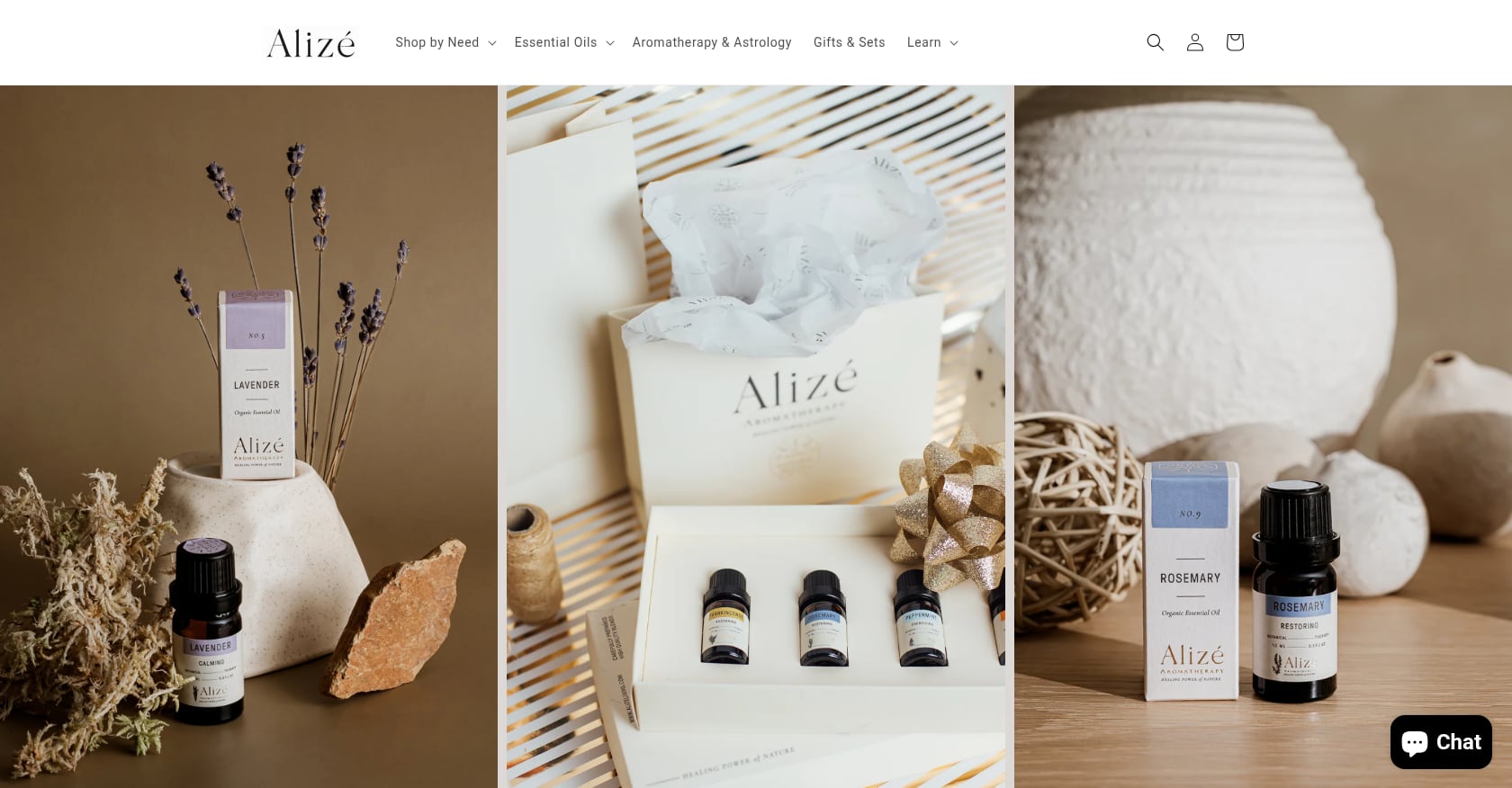
Best for: Studying, deep-work blocks, sustained concentration
Rosemary is the thinking person’s diffuser oil. Trials suggest that rosemary inhalation can support alertness and number memory in certain contexts. It’s herbaceous with a pine-mint quality that many describe as clearing “mental fog.”
- Scent: Herbaceous, slightly piney. Think Mediterranean kitchen garden.
- Price: $20.00 / 10 ml (Rosemary for focus)
- How to use: 3 drops rosemary plus 2 drops orange is a balanced study blend. Run during focused work sessions, 30 to 60 minutes at a time.
Tradeoffs and honest notes:
- Too herbal for some people’s taste. Blending with orange or bergamot softens the green edge.
- The evidence is promising but comes from small studies. Position this as “supportive” rather than guaranteed.
- Not ideal for evening use; it’s stimulating rather than calming.
What users say: Rosemary shows up in biohacker and productivity communities on Reddit. One user shared that pairing rosemary with certain citrus oils during work blocks became a reliable focus ritual, though they noted the effect might be partly Pavlovian (the scent signals “it’s work time” to the brain).
7. Sweet Orange
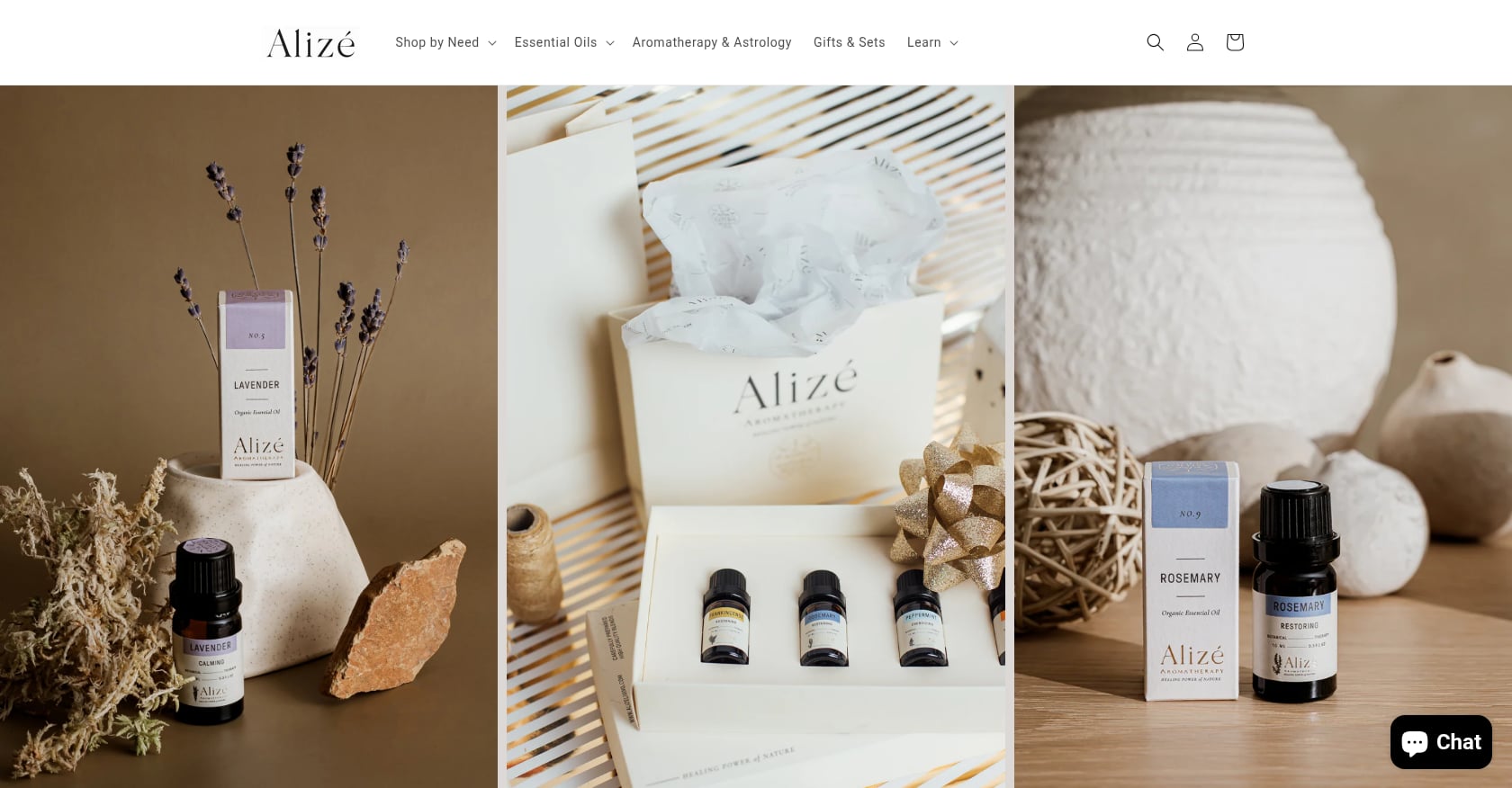
Best for: Brightening mood, afternoon slumps, kid-friendly daytime scent
Sweet orange is the most universally liked scent on this list. An RCT in healthy volunteers found that orange aroma showed anxiolytic signals versus controls, and broader citrus research supports mood-lifting effects. It’s a crowd-pleaser in shared spaces.
- Scent: Juicy, sweet, warm citrus. Works in kitchens, living rooms, and offices.
- Price: $16.00 / 10 ml (Sweet Orange), making it the most affordable oil on this list.
- How to use: 3 to 4 drops in 100 ml water. Great blended with peppermint for “focused energy” or rosemary for “productive afternoon.”
Tradeoffs and honest notes:
- Citrus oils dissipate faster than florals or resins in ultrasonic diffusers. You may need to re-run cycles.
- The mood effect, while supported by research, is modest. Don’t expect it to treat clinical depression.
- Use cautiously around cats if diffusing citrus oils regularly.
What users say: Sweet orange is repeatedly called the “go-to” for uplifting daytime diffusion across essential oil forums. Users on Reddit describe it as “impossible to dislike,” which makes it the safest choice when guests are coming over.
8. Grapefruit
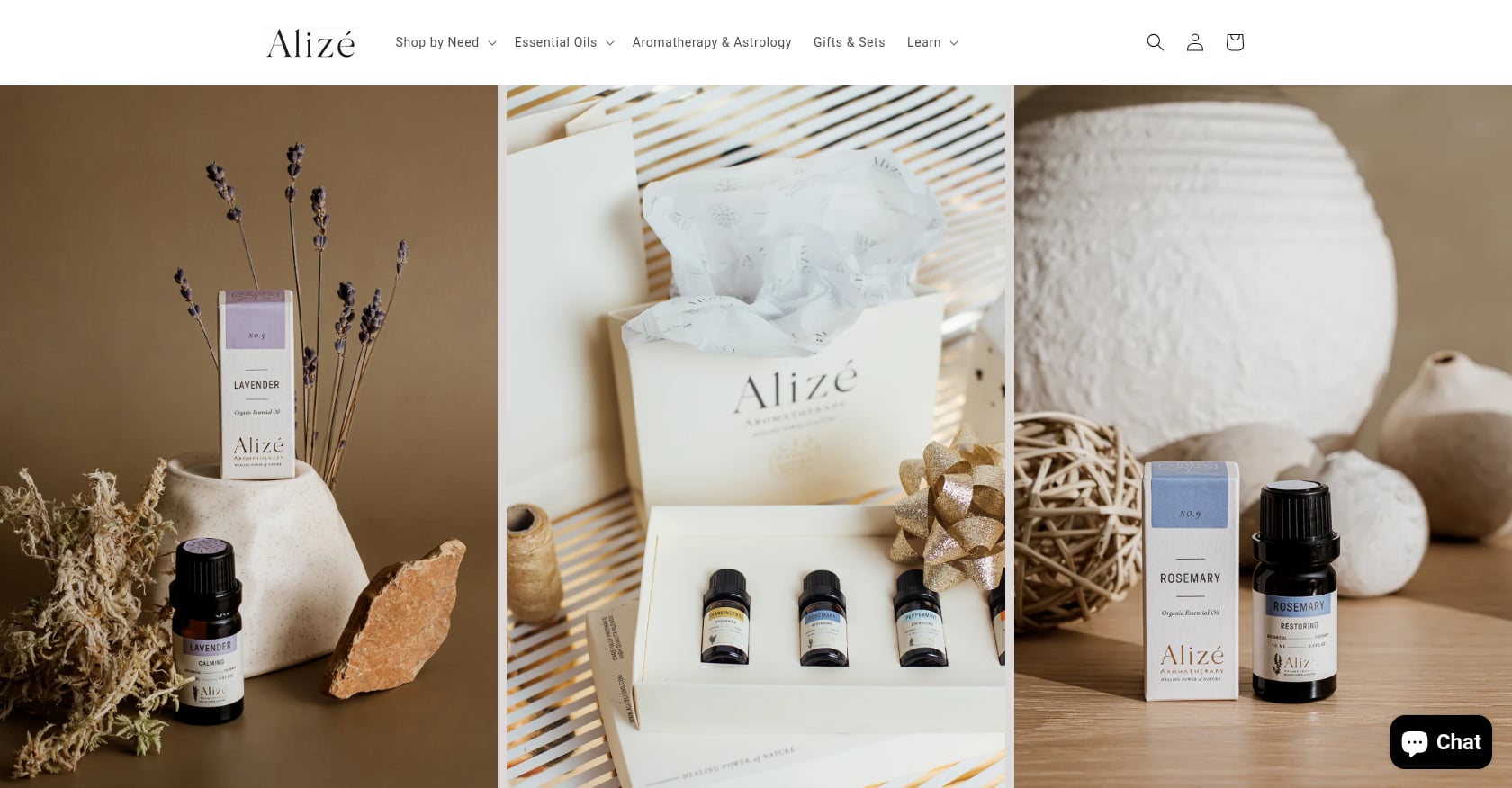
Best for: Sparkling, energizing morning atmosphere
Grapefruit is sweet orange’s sharper, more caffeinated sibling. Research on citrus aromatics shows physiological arousal responses that vary by concentration and even breathing route, suggesting real (if variable) effects on alertness and mood.
- Scent: Tart, zesty, clean. Brighter and more assertive than orange.
- Price: $22.00 / 10 ml (Organic Grapefruit)
- How to use: 3 drops grapefruit plus 2 drops bergamot for a “bright morning” blend. Or pair with rosemary for a focus session.
Tradeoffs and honest notes:
- Like all citrus, it fades relatively quickly in a diffuser.
- Not ideal for evenings; it’s energizing and may interfere with winding down.
- Avoid around cats.
What users say: Grapefruit shows up as a popular “shower-steam” and morning diffuser pick on Reddit. Users in essential oil communities frequently pair it with rosemary or peppermint and describe it as a “natural alarm clock.”
9. Frankincense
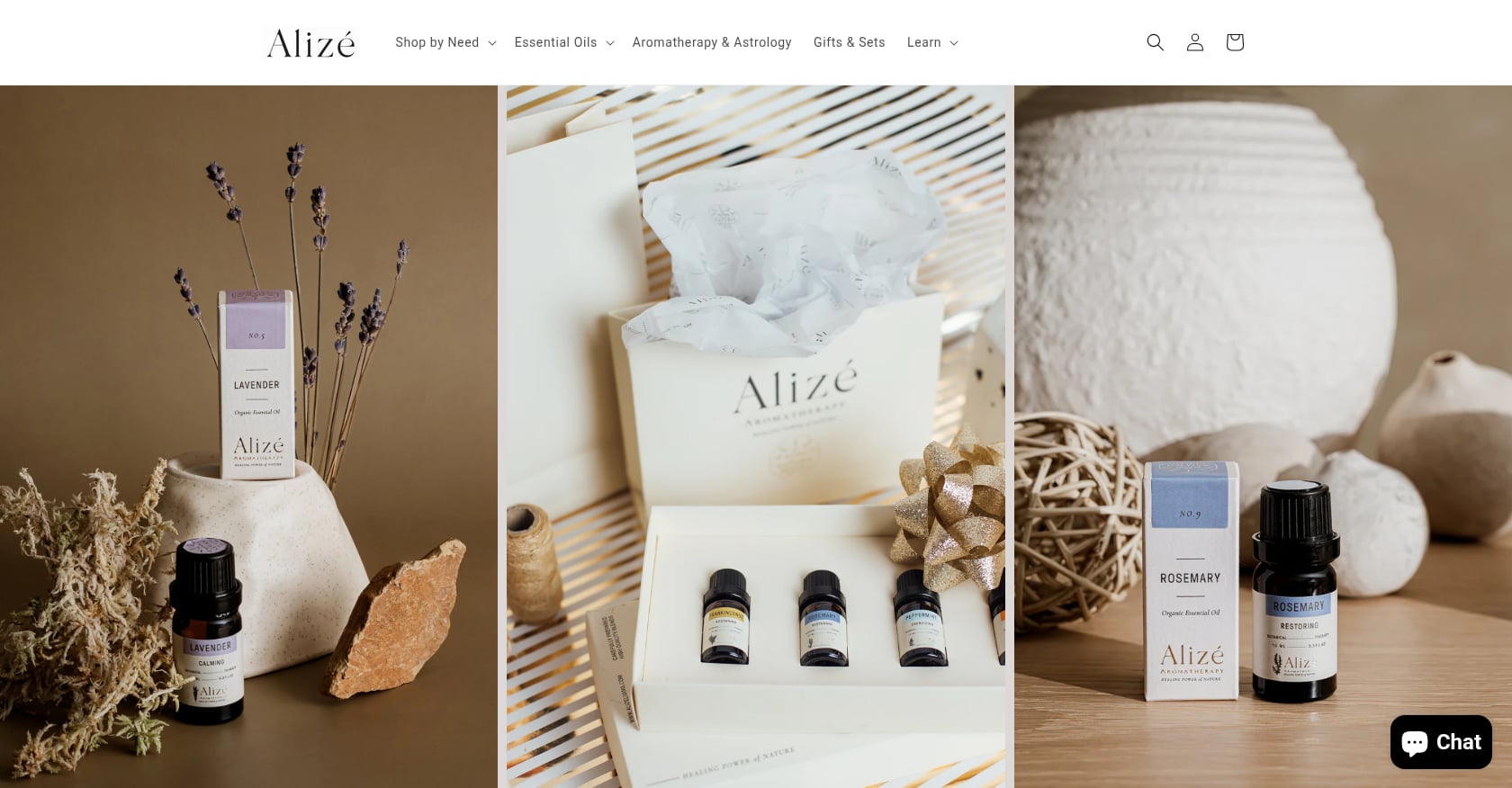
Best for: Meditation, quiet evenings, centering
Frankincense is ancient and grounding. Clinical aromatherapy literature often includes it in anti-anxiety blends alongside lavender and bergamot, though frankincense-specific inhalation evidence is modest. Its value in a diffuser is more about ritual and scent profile than any single study.
- Scent: Resinous with subtle citrus-spice. Functions as a base/mid note that anchors lighter oils.
- Price: $16.00 / 10 ml (Frankincense), surprisingly affordable for a resin oil.
- How to use: 1 to 2 drops to anchor a blend. Try lavender (3) plus cedarwood (2) plus frankincense (1) for a deep sleep combination.
Tradeoffs and honest notes:
- Not everyone loves the resin note. It can read as “churchy” or smoky to some noses.
- The evidence base is less direct than lavender’s. Position it as “traditionally used” and “user-favorite.”
- Works much better in blends than solo.
What users say: Community consensus treats frankincense as a “grounding” addition that softens florals and citrus blends. Users tend to add 1 drop to existing combinations rather than diffusing it alone.
10. Cedarwood
Best for: Cozy, woodsy calm; the best blending partner for lavender at bedtime
Cedarwood is warm, dry, and uncomplicated. It shows up in clinical relax and sleep blends, though its evidence base is less direct than lavender’s. Think of it as the bass note that makes a sleep blend feel complete.
- Scent: Dry wood, pencil shavings, soft warmth. Balances sweet florals and bright citrus.
- Price: $19.00 / 10 ml (Organic Cedarwood)
- How to use: 2 drops cedarwood plus 3 drops lavender is the most popular bedtime combination for good reason. It works.
Tradeoffs and honest notes:
- Can feel heavy or oppressive if overdosed. Stick to 2 drops in a blend.
- Alone, the scent is pleasant but underwhelming for most people.
- Some cedarwood varieties (Atlas, Virginia, Texas) smell quite different. Look for botanical name on the label to know what you’re getting.
What users say: Cedarwood is consistently appreciated as a “warmer” partner for lavender at bedtime, described as making the blend feel more like “a cabin in the woods and less like a spa.”
11. Ylang-Ylang
Best for: Luxurious, sensuous evening wind-down (in very small amounts)
Ylang-ylang has real physiological data behind it: inhalation reduced blood pressure and heart rate in healthy men in one study. The problem isn’t efficacy. It’s dosing. A little too much and this oil turns from gorgeous to nauseating.
- Scent: Lush, intensely sweet-floral. Exotic and unmistakable.
- Price: $24.00 / 10 ml (Organic Ylang-Ylang)
- How to use: 1 drop. That’s it. Add it to a citrus or wood blend for depth. Never use it as the primary oil.
Tradeoffs and honest notes:
- The single most headache-prone oil on this list when overdosed.
- Polarizing scent. Some people adore it; others can’t stand it.
- Avoid around cats.
What users say: Reddit threads about ylang-ylang are remarkably consistent. Users who love it always note “just 1 drop.” Users who hate it almost always started with 3 or more. One user on an essential oils forum described the difference as “the gap between perfume and air freshener in a taxi.”
12. Cypress
Best for: Fresh, conifer-like “open air” feeling without the menthol bite of eucalyptus
Cypress is quietly excellent. It doesn’t have flashy clinical trials or strong name recognition, but it delivers a crisp evergreen scent that freshens a room without the sharp camphor edge of eucalyptus or the intensity of peppermint.
- Scent: Clean evergreen, slightly woody. Like opening a window to a forest.
- Price: $19.00 / 10 ml (Organic Cypress)
- How to use: 3 drops cypress plus 2 drops frankincense for a “forest meditation” blend. Or 2 drops cypress plus 3 drops orange for a fresh daytime scent.
Tradeoffs and honest notes:
- Limited direct inhalation research. This is a user-favorite, not an evidence leader.
- Can be too subtle for people who want a scent that fills a room.
- Works best as a supporting player in blends.
What users say: Fans of cypress appreciate it for providing that “open air” feel without the eucalyptus sharpness that some find medicinal. It’s an underrated choice among the best aromatherapy oils for diffuser use.
13. Lemongrass
Best for: Zingy kitchen refresh, post-cooking odor neutralization
Lemongrass is sharp, assertive, and lingering. It sits between citrus and herbal, with lab work suggesting arousal and mood effects similar to other citrus-adjacent oils.
- Scent: Bright citrus-herbal with a green, slightly soapy edge. Powerful and persistent.
- Price: $17.00 / 10 ml (Organic Lemongrass)
- How to use: 2 drops in 100 ml water for a kitchen refresh. Blends with orange and peppermint for an energizing combo.
Tradeoffs and honest notes:
- The most divisive scent on this list after patchouli. Some people love the clean, sharp bite. Others say it “smells like cleaning products.”
- Very persistent in the air, meaning over-diffusing is harder to fix (you can’t un-scent a room quickly).
- Use sparingly in bedrooms or living spaces.
What users say: Forum users are split on lemongrass. It earns strong loyalty among kitchen diffusers and mixed reactions everywhere else. The advice to “start with 2 drops” comes up repeatedly.
Honorable Mentions
Tea tree ($18.00 / 10 ml): Outstanding for targeted non-diffuser uses, but the medicinal scent doesn’t make for pleasant ambiance in living spaces. Avoid around cats.
Patchouli ($21.00 / 10 ml): Earthy, musky, and deeply polarizing. Community reactions are split right down the middle. If you try it in a diffuser, start with 1 drop mixed into a citrus blend. One fragrance enthusiast on Reddit described the line between “interesting” and “overwhelming” as “exactly one drop of patchouli.”
4 Diffuser Blends That Actually Get Used
These recipes are for 100 ml of water. Follow the 30-to-60-minutes-on, 30-to-60-minutes-off interval pattern. Scale down if you’re sensitive.
Calm and Sleep
Lavender (3 drops) + Cedarwood (2 drops) + Frankincense (1 drop)
The evidence anchor is lavender. Wood and resin provide warmth and depth. Run 30 to 45 minutes before bed.
Focus and Flow
Rosemary (3 drops) + Sweet Orange (2 drops) + Peppermint (1 drop)
Rosemary and peppermint carry the alertness signals. Orange rounds out the herbal edges. Good for 60-minute work blocks.
Breathe Easy (adults only, away from pets)
Eucalyptus (3 drops) + Rosemary (2 drops) + Peppermint (1 drop)
Evidence for direct symptom relief is limited, so position this as a comfort routine during colds rather than treatment. The Wellness Boost Set includes eucalyptus, rosemary, and other oils suited to this blend.
Bright Morning
Grapefruit (3 drops) + Bergamot (2 drops) + Ylang-Ylang (1 drop, optional)
All citrus energy with a floral whisper. Skip the ylang-ylang if you want pure brightness.
How to Use a Diffuser Without Headaches or Nose Fatigue
Even the best aromatherapy oils for diffuser use will cause problems if you use them wrong. These practical rules solve the most common complaints.
Start low. 3 to 5 drops per 100 ml of water. Strong oils like peppermint, eucalyptus, and ylang-ylang may need just 1 to 2 drops.
Use intervals. The Tisserand Institute recommends 30 to 60 minutes on, then 30 to 60 minutes off. Continuous diffusion is the number one cause of headaches and irritation.
Place it right. Keep your diffuser 3 to 6 feet from your face. Don’t point the mist nozzle directly at yourself, and allow some ventilation in the room.
Don’t chase a disappearing scent. If you can’t smell the oil anymore, it’s likely olfactory fatigue, meaning your nose has adapted. Adding more oil won’t help and may overload the room. Wait, take a break, or step out for a few minutes.
Clean regularly. A quick wipe after each use and a periodic water-plus-vinegar deep clean (per your device manual) keeps output consistent and prevents oil residue buildup.
Users on essential oil forums echo all of these points. The most-repeated tip across communities is simple: when in doubt, use fewer drops and shorter sessions. You can always add more next time.
What to Buy if You Want a Starter Set
Buying individual oils makes sense once you know your preferences. For beginners still exploring, a curated set is more practical and usually more cost-effective.
For relaxation and sleep goals, the Relaxation Retreat Gift Box covers complementary oil profiles. For broader wellness use across focus, breathing, and calm, the Balance and Harmony Gift Box offers variety without committing to 13 individual bottles.
All Alize Living oils are USDA organic, vegan, cruelty-free, and made in the USA, with botanical names, plant parts, extraction methods, and origins listed on each product page. You can review their organic certification for more detail on sourcing standards.
Frequently Asked Questions
How many drops of essential oil should I put in my diffuser?
Start with 3 to 5 drops per 100 ml of water. For strong oils (peppermint, eucalyptus, ylang-ylang), start at 1 to 2 drops. You can always add more in your next session, but you can’t take drops back once they’re in the water.
How long should I run my diffuser?
30 to 60 minutes on, then 30 to 60 minutes off. This intermittent pattern is recommended by the Tisserand Institute and consistently echoed by experienced users. Running a diffuser all night is unnecessary and more likely to cause headaches.
Are essential oil diffusers safe around cats and dogs?
Cats are significantly more sensitive to essential oils than dogs. The ASPCA recommends avoiding diffusion around cats, particularly with tea tree, eucalyptus, peppermint, citrus, and ylang-ylang. Dogs tolerate diffusion better but still need a ventilated room and the ability to leave. Never diffuse essential oils around birds.
Why does my diffuser scent disappear after a few minutes?
That’s olfactory fatigue, not a weak oil. Your nose adapts to constant scents surprisingly fast. The fix is not more oil. Step out of the room for five minutes, and you’ll smell it again when you return. Running intervals naturally resets your sense of smell.
What is the best aromatherapy oil for diffuser use if I can only buy one?
Lavender. It has the broadest evidence base, the most versatile blending profile, and near-universal scent appeal. It works for sleep, relaxation, and general stress reduction, covering the most common reasons people buy a diffuser in the first place.
Can diffusing essential oils actually help with sleep or anxiety?
The evidence is real but modest. Multiple RCTs and meta-analyses support inhaled lavender for sleep quality improvement. Bergamot and citrus oils show anxiolytic signals in small trials. The NCCIH notes that studies remain heterogeneous, and oral lavender has stronger evidence for anxiety than inhalation alone. Think of diffusing as a supportive wellness habit, not a medical treatment.
Do I need to clean my diffuser, and how often?
Yes. Wipe the reservoir after each use to prevent oil buildup. Do a deeper clean with water and white vinegar every one to two weeks (or per your device manufacturer’s instructions). A dirty diffuser produces weaker mist and can mix old oil residues into new sessions, muddying the scent.
Are expensive essential oils better than cheap ones?
Price reflects extraction difficulty (bergamot costs more than orange because it yields less oil per fruit) and sourcing standards (organic certification adds cost). Within the $16 to $25 range for 10 ml bottles, you’re paying for quality sourcing and transparency. What matters most is that the label shows the botanical name, plant part, extraction method, and origin. Avoid oils that list only a common name with no further detail.


