
TL;DR
The best essential oil blends are usually the simplest ones: two or three oils matched to a specific goal like sleep, stress relief, focus, or home scent. This guide covers 11 diffuser-ready recipes with exact drop counts, safety rules for pets and topical use, and a quality checklist so you don’t waste money on adulterated oils. Start with lavender, cedarwood, and orange if you’re a beginner, and always diffuse in short sessions (30 to 60 minutes) with ventilation.
Quick Picks: Best Essential Oil Blends at a Glance
Before getting into the details, here’s a comparison table covering all 11 blends. Use it to find the right match for what you actually need.
| Blend | Best For | Diffuser Recipe | Aroma Profile | Starter Cost (2–4 oils) | Key Tradeoff |
|---|---|---|---|---|---|
| Soft Sleep | Bedtime beginners | 3 lavender + 2 cedarwood | Floral, woody, soft | ~$32–$50 | Too soft if you dislike lavender |
| After-Work Exhale | Stress, evening wind-down | 2 bergamot + 2 lavender + 1 frankincense | Citrus, floral, resinous | ~$48–$75 | Bergamot requires topical sun caution |
| Deep Work | Study, work blocks | 2 rosemary + 1 peppermint + 2 orange | Herbal, minty, bright | ~$48–$75 | Peppermint can overpower small rooms |
| Citrus Start | Morning energy | 2 orange + 2 grapefruit + 1 peppermint | Juicy, bright, minty | ~$48–$75 | Citrus top notes fade fast |
| Fresh Spa | Bathroom, shower ambience | 2 eucalyptus + 1 peppermint + 1 tea tree + 1 lavender | Cool, clean, herbal | ~$64–$100 | Not a medical treatment for congestion |
| Grounded Mind | Meditation, journaling | 2 frankincense + 2 cedarwood + 1 patchouli | Resinous, woody, earthy | ~$48–$75 | Patchouli is polarizing |
| Clean Kitchen | Home freshness | 2 lemongrass + 2 orange + 1 tea tree | Fresh, citrus, green | ~$48–$75 | Tea tree can smell medicinal |
| Cozy Citrus Woods | Evening, winter ambience | 2 orange + 2 cedarwood + 1 frankincense | Warm, sweet, woody | ~$48–$75 | Not as crisp as mint blends |
| Bright Floral Reset | Self-care, mood lift | 1 ylang ylang + 2 grapefruit + 2 lavender | Floral, citrus, sweet | ~$48–$75 | Ylang ylang can be heavy |
| Clear Desk | Mint-free focus | 2 rosemary + 2 cypress + 1 bergamot | Herbal, green, citrus | ~$48–$75 | Less sharp than peppermint blends |
| Two-Oil Starter | Absolute beginners | 3 lavender + 2 orange | Soft floral, sweet citrus | ~$32–$50 | May be too simple for experienced users |
Starter cost estimates are based on Alize Living’s single 10 ml oil range of $16–$25 per bottle.
How We Chose These Blends
Not every essential oil blend recipe floating around the internet deserves your time or money. These 11 were selected using four criteria:
Evidence-informed oils. Lavender, bergamot, cedarwood, and rosemary all appear in published human studies on sleep, stress, or alertness. A 2014 systematic review of inhaled essential oils and sleep found 15 quantitative studies, including 11 randomized controlled trials, with most reporting a positive effect on sleep. Lavender was the most frequently studied oil.
Real user popularity. Practitioners on Reddit consistently recommend simple two- and three-oil combinations over complex seven-oil recipes. Lavender plus cedarwood, citrus plus mint, and orange plus cedarwood appear again and again in community threads as everyday favorites.
Blend balance. Each recipe considers top, middle, and base notes so one oil doesn’t dominate.
Beginner safety. Every blend uses low total drop counts (3 to 5 drops), assumes intermittent diffusion, and includes safety callouts for topical use, pets, and respiratory sensitivity.
The 11 Best Essential Oil Blends
1. Soft Sleep Blend (Lavender + Cedarwood)
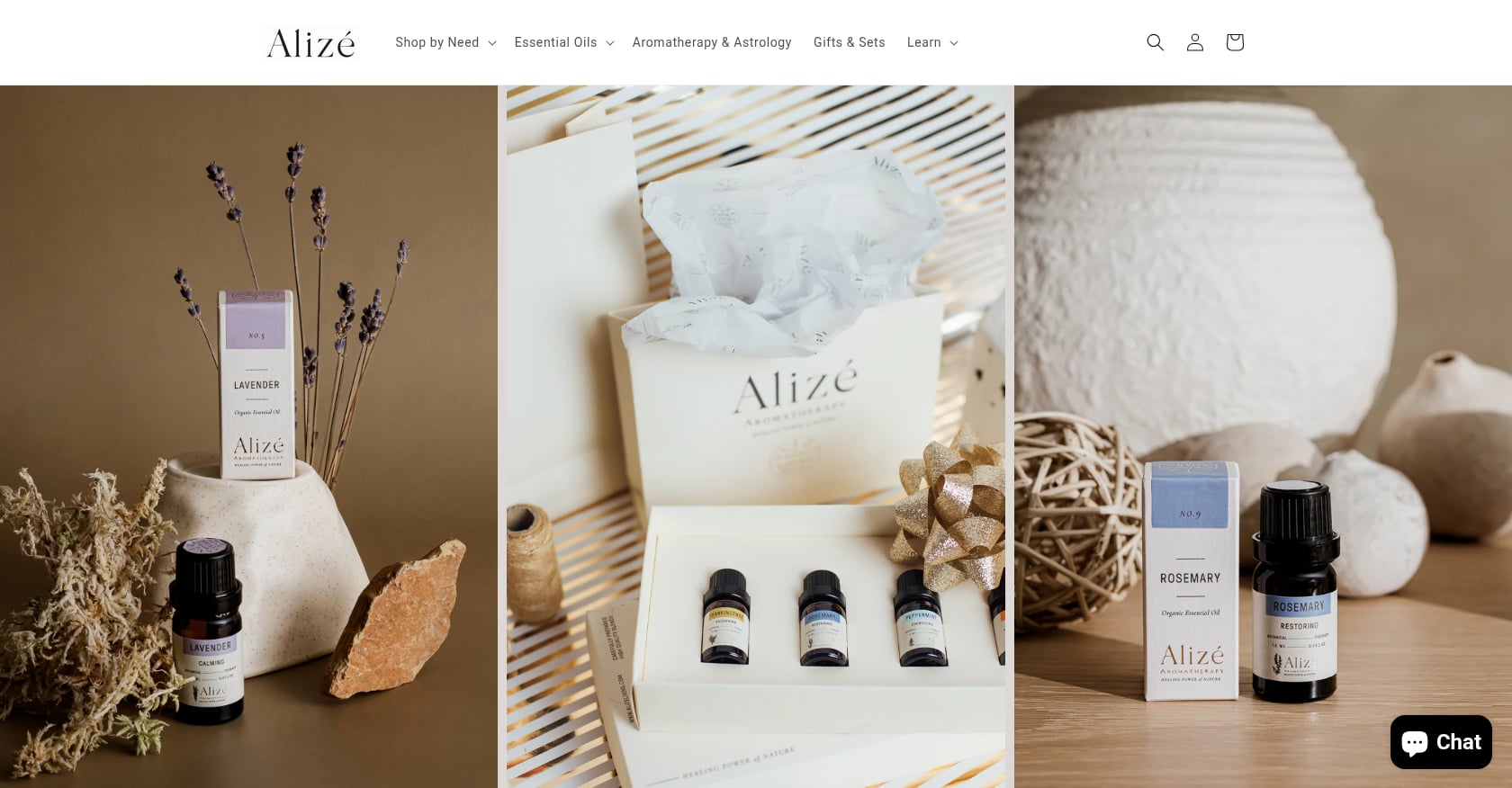
Best for: Bedtime beginners who want a simple, two-oil diffuser recipe.
Diffuser recipe: 3 drops lavender + 2 drops cedarwood
Aroma: Soft floral layered over a warm, woody base.
Why it works: Lavender is the most studied essential oil for sleep. The Sleep Foundation notes that cedarwood contains cedrol, a compound associated with sedative effects in research, making it a natural pairing with lavender’s calming floral profile.
This combination is also one of the most recommended essential oil blends in online communities. Reddit users in bedroom-blend threads repeatedly call out lavender plus cedarwood as their go-to nighttime diffuser combination.
How to use: Start your diffuser 30 to 45 minutes before bed. Run it for 30 to 60 minutes, then turn it off. Keep the bedroom ventilated.
Starter cost: Approximately $32–$50 for two Alize Living oils. Grab organic lavender and organic cedarwood to get started.
Tradeoffs:
- Not ideal if you dislike lavender’s floral character.
- Won’t create a “fresh” or “energizing” atmosphere. It’s designed to be sleepy.
- If adapting for topical use (roll-on), dilute in a carrier oil first.
2. After-Work Exhale Blend (Bergamot + Lavender + Frankincense)
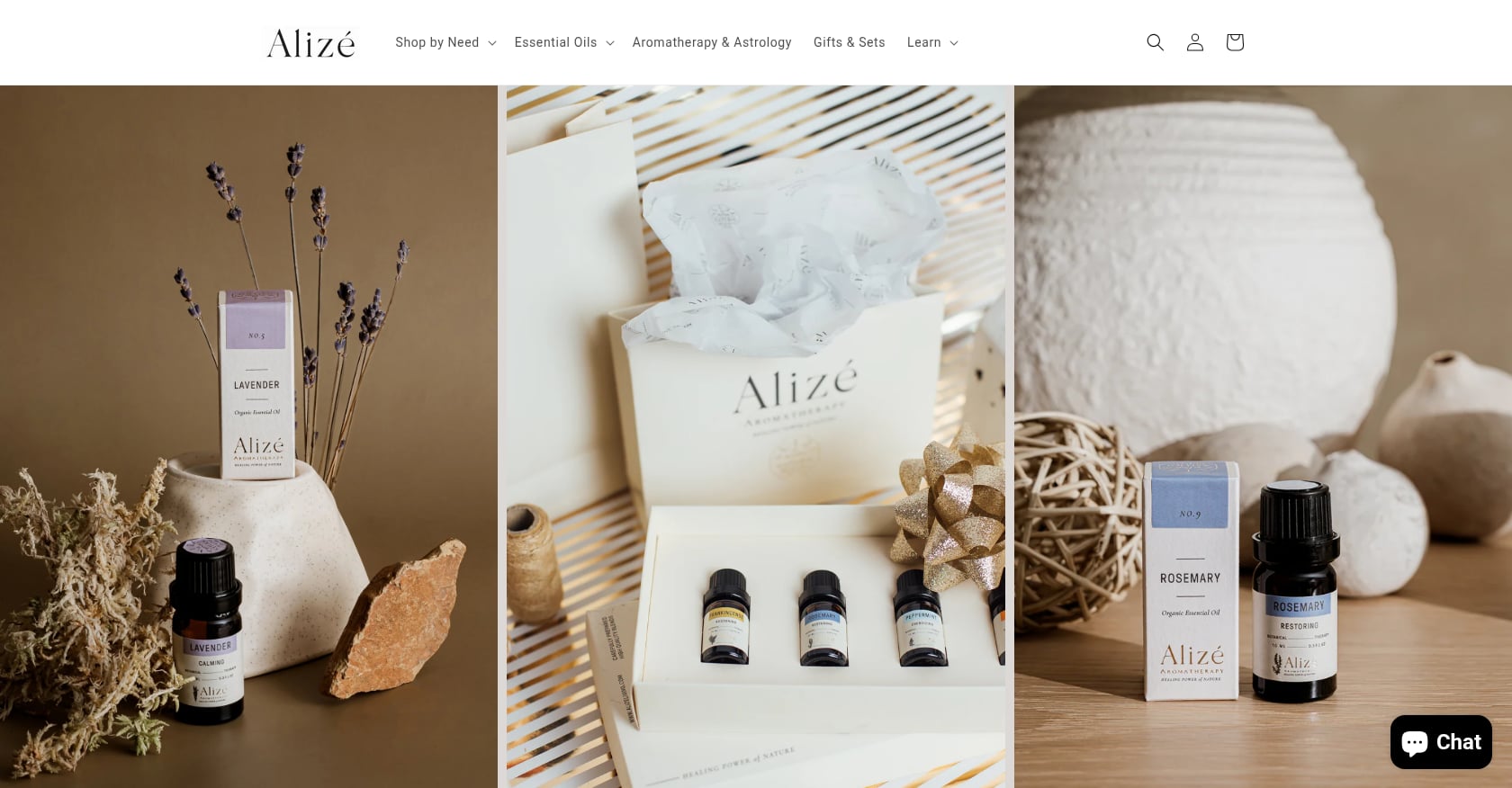
Best for: Evening stress reset and post-work wind-down.
Diffuser recipe: 2 drops bergamot + 2 drops lavender + 1 drop frankincense
Aroma: Bright citrus opening, soft floral middle, resinous depth.
Why it works: A 2023 systematic review of 76 randomized controlled trials on inhalation aromatherapy for stress and anxiety found that more than 70% of studies reported a positive effect on anxiety levels. Bergamot, lavender, and frankincense are among the most commonly used oils in these blends.
One aromatherapy practitioner on LinkedIn specifically recommends pairing lavender, bergamot, and frankincense for evening wind-down, noting that consistent use alongside a routine amplifies the calming effect over time.
How to use: Diffuse in your living room or bedroom after work. Pair it with the same activity each evening (reading, stretching, journaling) to build a scent-based routine cue.
Starter cost: Approximately $48–$75 for three oils. Organic bergamot is $25 per 10 ml bottle.
Tradeoffs:
- Bergamot is phototoxic. The Tisserand Institute notes that IFRA’s guideline for bergamot in leave-on products applied to sun-exposed skin is a maximum of 0.4%. If you make a topical roll-on with this blend, avoid sun exposure on the applied area.
- Frankincense has a resinous, almost incense-like quality that some people find too heavy.
- The evidence for bergamot alone is hard to isolate because most studies use blends.
Looking for a ready-made stress relief set? The Alize Living Stress Relief Kit bundles complementary oils so you don’t have to buy them individually.
3. Deep Work Blend (Rosemary + Peppermint + Orange)
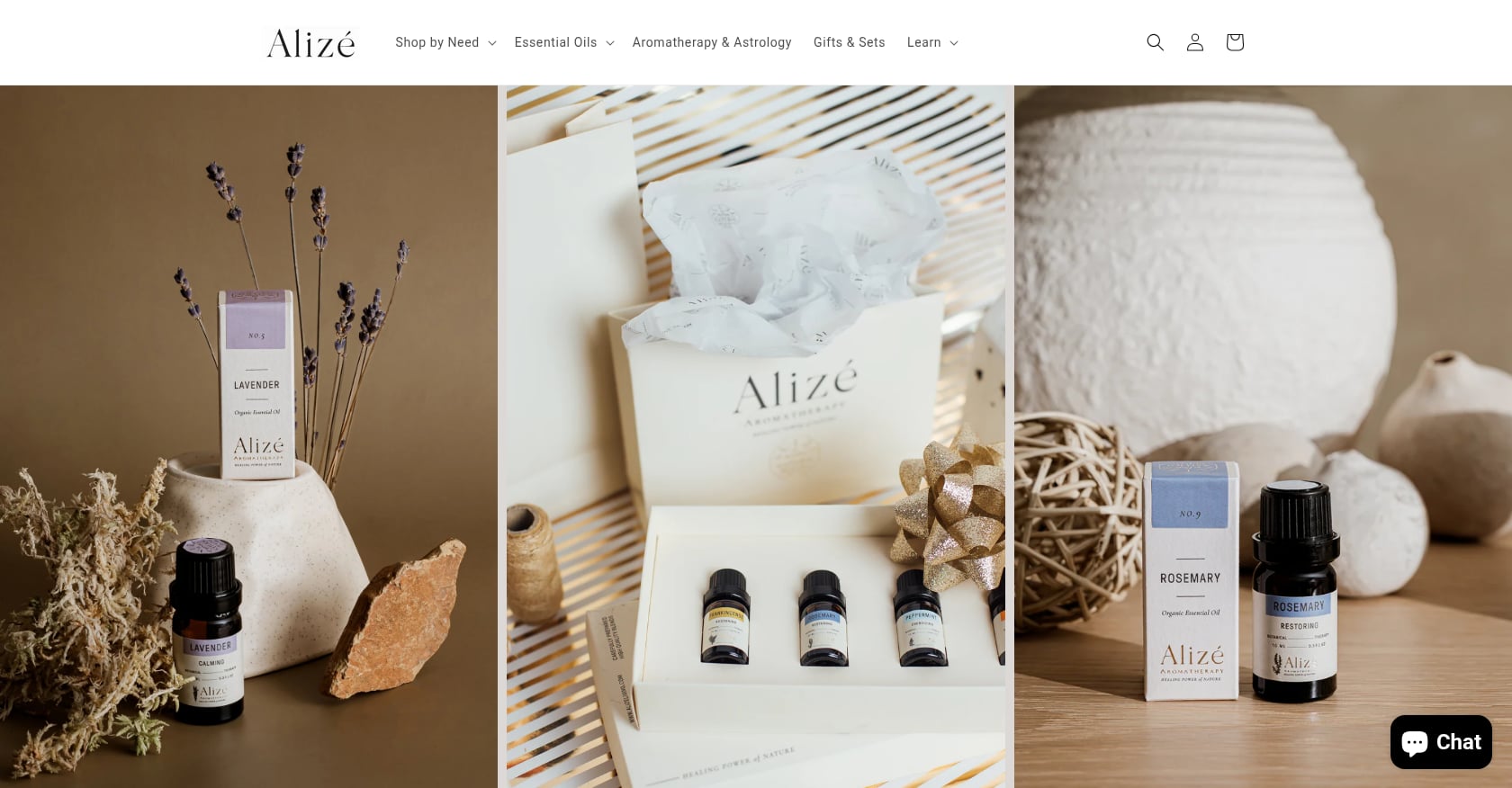
Best for: Studying, focused work blocks, and morning productivity.
Diffuser recipe: 2 drops rosemary + 1 drop peppermint + 2 drops orange
Aroma: Herbal and minty with a bright citrus lift.
Why it works: A randomized controlled trial with 80 shift-working nurses found that inhaled rosemary oil reduced sleepiness scores and increased alertness compared to the control group. Peppermint adds a sharp, invigorating note, and orange sweetens the blend so it doesn’t smell clinical.
Reddit users mention reaching for citrus plus mint when they need to get work done. The combination shows up frequently in focus-related threads.
How to use: Diffuse at your desk during a 90-minute work block. Keep peppermint at just 1 drop because it dominates quickly.
Starter cost: Approximately $48–$75. Organic orange starts at $16.
Tradeoffs:
- Peppermint can be overwhelming in small, poorly ventilated rooms.
- This is not a bedtime blend. It will likely make relaxation harder.
- Avoid diffusing peppermint around very young children or people with respiratory sensitivity without professional guidance.
4. Citrus Start Blend (Orange + Grapefruit + Peppermint)
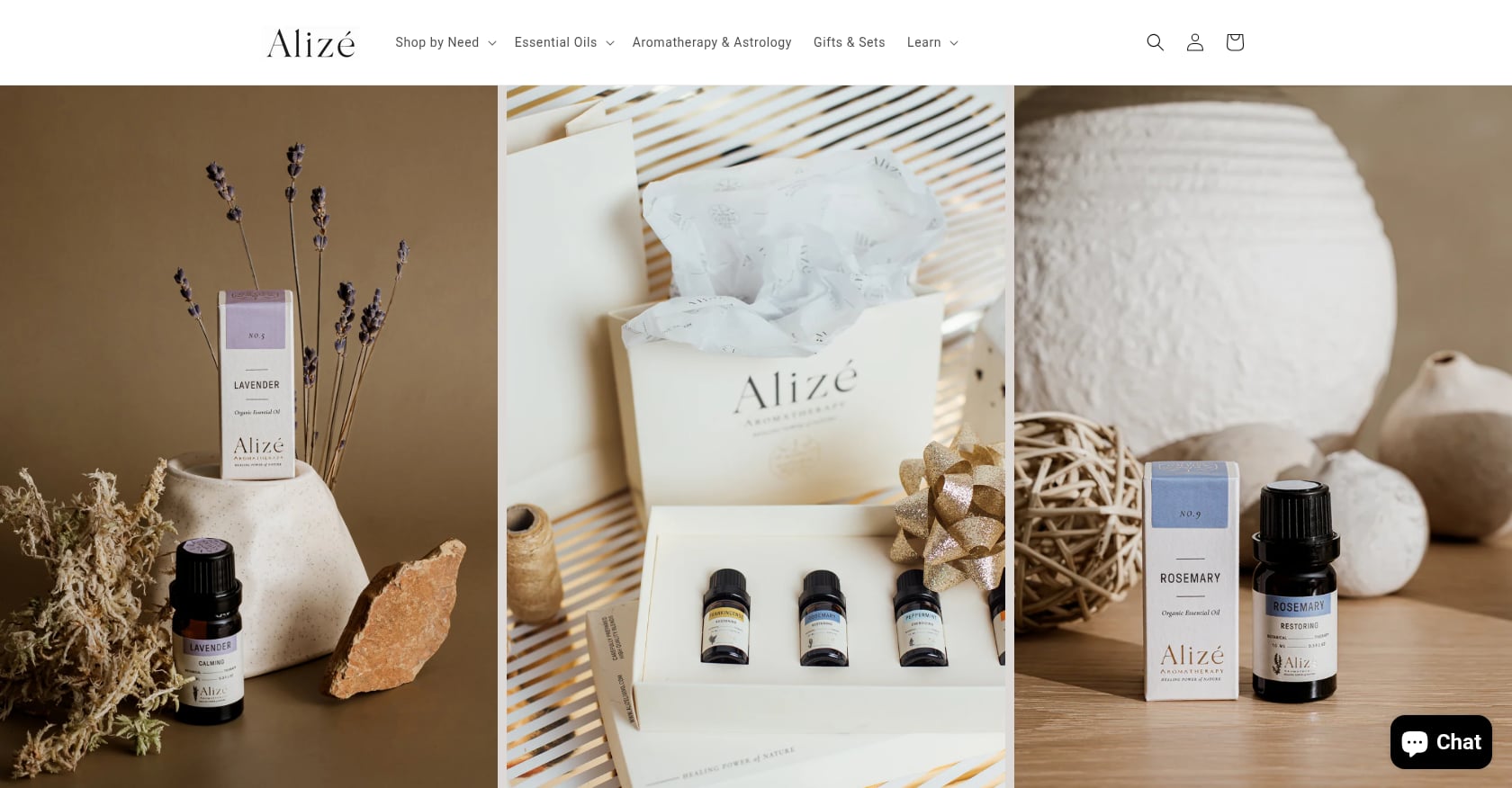
Best for: Morning routines and low-energy afternoons.
Diffuser recipe: 2 drops orange + 2 drops grapefruit + 1 drop peppermint
Aroma: Juicy, bright, and lightly minty.
Why it works: Citrus essential oil blends are consistently the most popular category among everyday users. One Reddit commenter who reported having worked in the essential oil industry stated that citrus blends are “by far” the most popular scent family. The orange-grapefruit combination is approachable for almost everyone, and a single drop of peppermint adds energy without taking over.
How to use: Diffuse while making breakfast or during an afternoon slump. Run for 30 minutes, then take a break.
Starter cost: Approximately $48–$75. Organic grapefruit adds a tart, energizing dimension.
Tradeoffs:
- Citrus top notes evaporate faster than woody or resinous oils. The blend won’t linger for hours.
- If using grapefruit topically, be aware of phototoxicity cautions similar to bergamot.
- Peppermint can be sharp in small rooms. Start with 1 drop.
5. Fresh Spa Blend (Eucalyptus + Peppermint + Tea Tree + Lavender)
Best for: Bathroom diffusion and spa-like ambience at home.
Diffuser recipe: 2 drops eucalyptus + 1 drop peppermint + 1 drop tea tree + 1 drop lavender
Aroma: Cool, clean, herbal with a soft floral finish.
Why it works: This is one of the best essential oil blends for creating a fresh, spa-like atmosphere without candles or synthetic fragrance. Eucalyptus and peppermint create an immediate cool, clean sensation, tea tree adds a green sharpness, and lavender rounds out the blend so it doesn’t smell like a medicine cabinet.
How to use: Place a diffuser in or near the bathroom. Run it for 20 to 30 minutes. This blend also works well in an open living space with good airflow.
Starter cost: Approximately $64–$100 for four oils. You can find organic eucalyptus and organic peppermint individually, or check the Wellness Boost Set for a bundled option.
Tradeoffs:
- This blend is not a treatment for congestion, colds, or respiratory illness. Enjoy it for the aroma.
- Tea tree is polarizing. Some people find it too medicinal. Drop it from the recipe if it bothers you.
- The ASPCA recommends avoiding essential oil diffusers in homes with birds because their respiratory tracts are sensitive. Be cautious around other pets too.
6. Grounded Mind Blend (Frankincense + Cedarwood + Patchouli)
Best for: Meditation, journaling, and quiet evenings.
Diffuser recipe: 2 drops frankincense + 2 drops cedarwood + 1 drop patchouli
Aroma: Deep resinous warmth with earthy, woody undertones.
Why it works: Frankincense has been associated with meditation and contemplative practices for centuries. Neal’s Yard describes it as an earthy, warm, woody resin traditionally linked to calming mental chatter. Reddit users mention gravitating toward woodsy and earthy combinations (cedar, patchouli, frankincense) when they want a grounding atmosphere rather than a bright or energizing one.
How to use: Diffuse during meditation, yoga, or journaling. This is a slow, contemplative blend, not a background scent for a party.
Starter cost: Approximately $48–$75 for three oils. Organic frankincense pairs beautifully with cedarwood for this blend.
Tradeoffs:
- Patchouli is a love-it-or-hate-it oil. Start with just 1 drop and adjust.
- Resin-heavy blends can leave residue in ultrasonic diffusers. An aromatherapy practitioner on LinkedIn noted that heavier oils like patchouli and pine can leave sticky buildup, and recommended cleaning the diffuser after each use or blending heavy oils with lighter ones.
- The earthy profile won’t suit everyone. If you prefer bright or floral scents, skip this one.
7. Clean Kitchen Blend (Lemongrass + Orange + Tea Tree)
Best for: Kitchen and entryway freshness, replacing candles.
Diffuser recipe: 2 drops lemongrass + 2 drops orange + 1 drop tea tree
Aroma: Bright, green, and clean with a citrus sweetness.
Why it works: Many people searching for the best essential oil blends for diffusers are trying to replace candles or synthetic fragrance products. A recent Reddit thread showed a user asking for essential oil blends because they wanted to move away from candles and fragrance oils. This blend delivers a fresh, natural scent without artificial ingredients.
How to use: Diffuse in the kitchen or entryway for 30 minutes. This works well on cleaning days when you want the house to smell fresh but not perfumed.
Starter cost: Approximately $48–$75. Organic lemongrass brings a sharp, citrusy green note that drives this blend.
Tradeoffs:
- Do not claim or assume this blend disinfects the air or kills germs. Enjoy it for the scent.
- Lemongrass can be quite sharp. If it’s too intense, reduce to 1 drop and increase orange to 3.
- Tea tree adds a clean note but can smell medicinal on its own.
8. Cozy Citrus Woods Blend (Orange + Cedarwood + Frankincense)
Best for: Living room evenings, winter ambience, and candle replacement.
Diffuser recipe: 2 drops orange + 2 drops cedarwood + 1 drop frankincense
Aroma: Warm, sweet, and woody with resinous depth.
Why it works: Reddit users specifically mention cedarwood plus orange as a popular diffuser combination. Adding frankincense deepens the blend and makes it last longer in the air, since cedarwood and frankincense are base notes that evaporate more slowly than citrus.
How to use: Diffuse in the living room during a cozy evening in. This is one of the most crowd-pleasing essential oil blends because it’s warm without being floral or minty.
Starter cost: Approximately $48–$75 for three oils.
Tradeoffs:
- Not as crisp or energizing as eucalyptus or peppermint blends.
- Orange fades faster than the woody base notes, so the scent shifts over time.
- Frankincense has a resinous, almost churchy quality that some people don’t enjoy.
9. Bright Floral Reset Blend (Ylang Ylang + Grapefruit + Lavender)
Best for: Self-care rituals and uplifting evening routines.
Diffuser recipe: 1 drop ylang ylang + 2 drops grapefruit + 2 drops lavender
Aroma: Floral, citrusy, and softly sweet.
Why it works: Ylang ylang adds an exotic, rich floral note that pairs surprisingly well with grapefruit’s tartness. Edens Garden positions this combination in its stress-relief recipes, and Neal’s Yard lists ylang ylang among sleep-supportive alternatives to lavender for yoga and meditation settings.
How to use: Diffuse during a bath-time routine, skincare ritual, or after a long day. This blend is about mood, not productivity.
Starter cost: Approximately $48–$75. Organic ylang ylang is the key ingredient that separates this blend from a basic lavender diffuser session.
Tradeoffs:
- Ylang ylang is strong. Using more than 1 drop can make the blend headache-inducingly sweet.
- Some people find intense floral scents triggering rather than calming.
- Grapefruit has phototoxicity considerations for topical use.
10. Clear Desk Blend (Rosemary + Cypress + Bergamot)
Best for: People who want a focus blend without peppermint.
Diffuser recipe: 2 drops rosemary + 2 drops cypress + 1 drop bergamot
Aroma: Herbal, green, and softly citrusy.
Why it works: Not everyone can tolerate peppermint. This mint-free focus blend leans on rosemary (supported by the same alertness study in shift-working nurses), cypress for a green, slightly woody bridge, and bergamot for a calm citrus lift. A LinkedIn aromatherapy guide recommends rosemary for focus and bergamot for mood balance, supporting a “focused but not jittery” profile.
How to use: Diffuse at your desk or in a home office during reading, planning, or deep work. This blend is quieter than the mint-heavy Deep Work option.
Starter cost: Approximately $48–$75. Organic cypress plays the bridge role here, connecting the herbal top to the citrus finish.
Tradeoffs:
- Less instantly sharp and “wake-up” than peppermint blends.
- Cypress is unfamiliar to many beginners. It’s a green, slightly woody oil that smells like a walk through a forest.
- Bergamot has topical phototoxicity concerns (see safety section below).
11. Two-Oil Starter Blend (Lavender + Orange)
Best for: Absolute beginners and budget-conscious first-time buyers.
Diffuser recipe: 3 drops lavender + 2 drops orange
Aroma: Soft floral meets sweet citrus.
Why it works: Reddit users mention lavender plus sweet orange as one of the easiest entry points into blending. It’s affordable (just two oils), universally pleasant, and versatile enough for evening relaxation. If you’re trying essential oil blends for the first time, this is the lowest-risk starting point.
How to use: Diffuse 30 minutes before bed. If you enjoy it, add cedarwood or frankincense as your third oil to deepen the blend.
Starter cost: Approximately $32–$50 for two oils, making it the most affordable blend on this list.
Tradeoffs:
- May feel too simple for experienced users who already own 10+ oils.
- Orange fades faster than lavender, so the scent will shift toward pure lavender over time.
- Not complex enough for meditation or grounding.
How to Build Your Own Essential Oil Blend
Once you’ve tried a few recipes from this list, you’ll probably want to experiment. Here’s a framework that keeps things simple.
The 3-Part Blend Formula
Every well-balanced blend has three layers:
- Top note: The first thing you smell. It evaporates quickly. Citrus oils (orange, grapefruit, bergamot, lemongrass), peppermint, and eucalyptus live here.
- Middle note: The heart of the blend. It emerges after the top note fades. Lavender, rosemary, tea tree, and ylang ylang are typical middle notes.
- Base note: The depth and longevity. It evaporates slowly and acts as a fixative for the lighter oils. Cedarwood, frankincense, and patchouli are base notes.
Practical Beginner Ratios
Start with 3 to 5 total drops in a standard diffuser:
- For focus or energy: 2 drops top + 2 drops middle + 1 drop base
- For sleep or grounding: 1 drop top + 2 drops middle + 2 drops base (heavier on the base)
- For a balanced all-purpose blend: 2 drops top + 2 drops middle + 1 drop base
Let the blend sit in the diffuser for 10 to 30 minutes before judging it. Top notes fade first, so your first impression isn’t the final scent.
A Note on Scent Intensity
Some oils will dominate a blend even at one drop. Watch out for:
- Peppermint (sharp, overpowering)
- Ylang ylang (heady, sweet)
- Patchouli (earthy, long-lasting)
- Tea tree (medicinal)
- Lemongrass (sharp, green)
Start with one drop of these and add more only if the blend feels too mild.
Essential Oil Safety Rules Before You Blend
Safety is what separates good essential oil blends from risky ones. These rules apply to every recipe on this list.
Diffuser Safety
Diffuse intermittently. The Tisserand Institute recommends 30 to 60 minutes on, then 30 to 60 minutes off, with fresh air exchange. More is not better. A Reddit commenter in a diffuser guidance thread put it bluntly: “Clear air with no scent is the best for health.”
Ventilate the room. Open a window or door during or after diffusion.
Use 3 to 5 total drops in a standard diffuser, especially in small rooms or around scent-sensitive people.
Topical Safety
Always dilute before skin use. The Tisserand Institute states that common adverse reactions to undiluted oils include hives, redness, itching, and burning. A 1 to 2% dilution in a carrier oil (like jojoba or sweet almond) is a standard starting point.
Bergamot and grapefruit require extra sun caution. IFRA’s guideline for bergamot in leave-on topical products applied to sun-exposed skin is a maximum of 0.4%. If you make a topical blend with these oils, avoid direct sun on the applied area.
Before You Diffuse: Pets, Kids, Asthma, and Pregnancy
This is the safety section most essential oil blend articles skip.
- Pets: The ASPCA says that using a diffuser for a short time in a secured area that pets cannot access is “not likely to be an issue,” but pets with breathing problems may be better off without diffusers. Birds should never be exposed to essential oil diffusers because their respiratory tracts are especially sensitive. Reddit pet threads show high anxiety about this topic, and practitioners in veterinary-adjacent discussions emphasize that pets must be able to leave the room.
- Children: NAHA advises keeping essential oils out of reach of children. Peppermint and eucalyptus should be used with extra caution around young kids.
- Asthma and COPD: The American Lung Association warns that essential oils are concentrated plant extracts that can emit VOCs, and people with asthma or COPD may be more susceptible to irritation.
- Pregnancy: Consult a healthcare provider before diffusing or applying essential oils during pregnancy.
- Do not ingest essential oils unless directed by a qualified professional. NAHA does not support indiscriminate internal use.
The Compliance Reality
The FDA states that aromatherapy products can be classified as cosmetics, drugs, or both depending on the claims made. Saying an oil “treats insomnia” or “cures anxiety” can make it a drug claim. The honest framing is that these blends may help create a relaxing or focused atmosphere, support a bedtime routine, or provide a pleasant aroma. That’s real value. It’s just not medicine.
How to Choose Quality Essential Oils (Without Getting Fooled)
The term “therapeutic grade” is a marketing phrase, not a regulated quality standard. The American Lung Association notes that essential oils are not regulated in the U.S. in a way that assures quality or exact bottle contents.
Prabodh Satyal, PhD, explains in a LinkedIn article that essential oil adulteration can include dilution with carrier oils, synthetic reconstruction, nature-identical compounds, and blending with fragrance oils. Purity, he argues, should be proven rather than assumed.
Your Buyer Checklist
Look for these on any product page before buying:
- Botanical/Latin name (e.g., Lavandula angustifolia, not just “lavender”)
- Plant part (flowers, leaves, resin, etc.)
- Extraction method (steam distillation, cold-pressed, etc.)
- Country of origin
- “100% pure essential oil” on the label (not “fragrance oil” or “perfume oil”)
- Dark glass bottle (light degrades essential oils)
- Sensible pricing. If a 10 ml bottle of frankincense costs $3, something is wrong. If it costs $80 from an MLM distributor, you’re likely paying for the compensation plan.
Alize Living product pages include botanical details such as the plant’s Latin name, part used, extraction method, and country of origin. That level of transparency is worth looking for from any brand.
Best Essential Oils to Keep in a Beginner Blending Kit
If you want to make most of the blends on this list, these 10 oils cover everything:
- Lavender — bedtime, calm, blends with almost anything
- Bergamot — citrus calm, stress reset
- Cedarwood — woody grounding, base note workhorse
- Frankincense — meditation, resinous depth
- Orange — beginner citrus, energy, cozy blends (starts at $16 from Alize Living)
- Peppermint — focus, freshness (use sparingly)
- Rosemary — focus, herbal clarity
- Eucalyptus — spa-like fresh aroma
- Tea tree — clean, green home scent
- Patchouli — grounding base (use sparingly)
You don’t need all 10 to start. Pick three that match your primary use case, then expand as you experiment. A simple starting trio like lavender, cedarwood, and orange covers sleep, cozy evenings, and beginner blending.
Oil Substitutions When You Don’t Have Everything
Many popular essential oil blend recipes online call for oils like Roman chamomile, vetiver, sandalwood, or clary sage. Here’s how to get a similar effect with more commonly available oils:
| Recipe Calls For | Substitute With | Why It Works |
|---|---|---|
| Roman chamomile | Lavender + cedarwood | Soft, calming bedtime profile |
| Vetiver | Patchouli or cedarwood | Earthy base note |
| Sandalwood | Cedarwood + frankincense | Woody, resinous depth |
| Clary sage | Lavender or bergamot | Calming floral or citrus profile |
| Neroli | Bergamot + ylang ylang | Citrus-floral mood profile |
Diffuser Maintenance Tips
A few things most blend articles don’t mention:
- Clean your diffuser regularly, especially after patchouli or frankincense-heavy blends. Resin-rich oils can leave sticky residue in ultrasonic diffusers.
- Do not add carrier oils (like coconut or jojoba) to an ultrasonic diffuser. They can clog the mechanism.
- Avoid all-day diffusion. Short sessions with breaks protect both your air quality and your diffuser’s lifespan.
- Follow your diffuser’s water and drop-count instructions. Not all diffusers are the same size.
Finding the Right Set for You
If buying individual oils feels overwhelming, curated sets simplify the decision. The Relaxation Retreat Gift Box works well for sleep and calm-focused blending, while the Balance and Harmony Gift Box covers a broader range of mood and wellness goals. Alize Living’s curated gift sets range from $80 to $86, include complementary oils, and ship free within the U.S. on orders over $25.
Frequently Asked Questions
What essential oils blend well together?
Most essential oils blend well when you combine a top note (citrus or mint), a middle note (lavender, rosemary, or tea tree), and a base note (cedarwood, frankincense, or patchouli). The simplest rule: floral pairs with wood, citrus pairs with mint or herbs, and resin pairs with wood. Start with 3 to 5 total drops and adjust based on scent preference.
What is the best essential oil blend for sleep?
Lavender plus cedarwood is the most beginner-friendly sleep blend. For a more complex option, try bergamot plus lavender plus frankincense. A systematic review found that most studies on inhaled essential oils and sleep reported positive effects, with lavender being the most commonly studied oil.
What is the best essential oil blend for stress?
Bergamot, lavender, and frankincense together create a calming atmosphere that many people use for post-work wind-down. A 2023 review of 76 clinical studies found that over 70% reported a positive effect on anxiety levels from inhalation aromatherapy, though study quality varied significantly.
How many drops of essential oil should I put in a diffuser?
Start with 3 to 5 total drops for a standard room-sized ultrasonic diffuser. In small rooms or around scent-sensitive people, start at the low end. The Tisserand Institute recommends intermittent use (30 to 60 minutes on, then a break) rather than continuous all-day diffusion.
Are essential oil blends safe around pets?
Use caution. The ASPCA says short diffusion in a secure area that pets cannot access is not likely to be a problem for most cats and dogs, but birds should never be exposed to diffused essential oils. Pets with breathing problems may do better without diffusers. Always let pets leave the room, and never apply undiluted oils directly to an animal.
Can I put essential oil blends on my skin?
Only with proper dilution. The Tisserand Institute recommends a 1 to 2% dilution in a carrier oil as a general maximum starting point for topical application. That means roughly 6 to 12 drops of essential oil per ounce of carrier oil. Do a small patch test first, and be aware that bergamot and grapefruit can cause skin reactions when exposed to sunlight.
Is “therapeutic grade” a real quality standard?
No. “Therapeutic grade” is a marketing term, not a government-regulated certification. There is no FDA or independent body that certifies essential oils as “therapeutic grade.” Instead of relying on that label, look for botanical name, plant part, extraction method, and country of origin on the product page.
What oils should beginners buy first?
Lavender, orange, and cedarwood. These three oils cost the least per blend, work across multiple use cases (sleep, cozy evenings, beginner blending), and are among the most universally liked scents. From there, add bergamot or rosemary depending on whether you want more stress-relief or focus blends.


