
The best essential oil blend for stress and anxiety combines lavender for deep relaxation, bergamot for mood lifting, and frankincense for grounding. A simple starting recipe: 5 drops lavender, 3 drops bergamot, and 2 drops frankincense in a diffuser with 100 mL of water. This trio works with the body's own chemistry to create genuine moments of calm, no prescription needed. By combining these specific aromatic oils (and customizing with additions like Roman chamomile or ylang ylang), you build a personalized tool that soothes the mind, relaxes muscles, and restores emotional balance.
This guide covers the science, the safety rules, the best blends (including named recipes like a stress buster blend, calm waters diffuser blend, and more), and practical ways to fold aromatherapy into a calmer routine.
Ready to start with a curated kit? Check out the Stress Relief Kit from Alize Living for a ready made calming set.
How Aromatherapy Helps: The Science in Brief
When you inhale an essential oil, its aromatic molecules travel through the nose to the olfactory bulb. This structure connects directly to the limbic system, the brain region that governs emotions, memory, and behavior. That connection explains why a single scent can instantly shift your mood or pull up a vivid memory.
A 2019 review published in the journal Evidence Based Complementary and Alternative Medicine found that lavender essential oil can serve as an effective short term aid for anxiety disorders. The scent signals prompt the brain to reduce cortisol (the stress hormone) and increase calming neurotransmitters like serotonin and dopamine.
A separate 2022 meta analysis in the Journal of Clinical Medicine confirmed that inhaled aromatherapy significantly reduced anxiety levels across multiple clinical settings, including preoperative patients and people experiencing chronic stress. Using an essential oil blend for stress and anxiety is one of the simplest ways to access this mind body connection.
Anti Anxiety Essential Oil List: The Core Ingredients
Before mixing blends, it helps to know which single oils carry the strongest calming evidence. Here is a quick reference list of the most effective anti anxiety essential oils, based on both research and practitioner feedback.
| Oil | Key Compound | Primary Benefit |
|---|---|---|
| Lavender | Linalool, linalyl acetate | Deep relaxation, sleep support |
| Bergamot | Limonene, linalyl acetate | Mood lifting, tension release |
| Frankincense | Alpha pinene, incensole acetate | Grounding, slower breathing |
| Roman Chamomile | Isobutyl angelate | Soothing nervous tension |
| Ylang Ylang | Linalool, germacrene D | Heart rate calming, floral warmth |
| Clary Sage | Linalyl acetate, sclareol | Hormonal stress, mental tension |
| Patchouli | Patchoulol | Earthy grounding, emotional balance |
| Sandalwood | Alpha santalol | Meditative calm, focus |
| Cedarwood | Cedrol | Sedative, sleep promoting |
| Orange | Limonene | Cheerful, mild anxiety relief |
Practitioners on Reddit frequently recommend starting with lavender, bergamot, and frankincense as a "foundation trio," then adding one or two supporting oils based on personal scent preference. One user in an aromatherapy subreddit noted that cedarwood is underrated for nighttime anxiety because cedrol has documented sedative properties.
Safety First: Smart, Gentle Use
Essential oils are potent plant extracts. They must be diluted before skin application to prevent irritation.
Key Safety Tips
- Always Dilute: Mix 2 to 3 drops of essential oil with a teaspoon of carrier oil (jojoba, sweet almond, or coconut) before applying to skin.
- Do a Patch Test: Apply a small amount of diluted oil to your inner forearm. Wait 24 hours to check for any reaction.
- Avoid Sensitive Areas: Keep oils away from eyes, inner ears, and mucous membranes.
- Consult a Professional: If pregnant, nursing, or managing a medical condition, speak with a healthcare provider first.
For deeper guidance on safe topical use, the Alize Living blog has a helpful dilution guide with charts.
Choosing oils from a pharmacist founded brand adds an extra layer of confidence. Alize Living's products are USDA Organic certified, free from synthetic fragrances, parabens, and unwanted additives.
Diffusing Essential Oil Safety Guidelines
Diffusing is generally the gentlest way to use essential oils, but there are still rules worth following:
- Session length: Run a diffuser for 30 to 60 minutes at a time, then take a break. Continuous diffusing for hours can cause headaches or overwhelm the senses.
- Ventilation: Keep a window cracked or a door open. A well ventilated room prevents scent buildup.
- Pets and children: Some oils (especially tea tree, eucalyptus, and peppermint) can be harmful to cats and small birds. Keep diffusers in rooms where pets don't spend extended time, and check the Alize Living safety guide for kids and pets.
- Water quality: Use clean, room temperature water. Hard water buildup can damage ultrasonic diffusers over time.
- Drop count: For most standard diffusers (100 to 200 mL tanks), 5 to 10 total drops of essential oil is sufficient. More is not better.
How to Use and Make a Blend
Creating and using your own essential oil blend for stress and anxiety is straightforward. There are three main methods, each suited to different situations.
Stress Relief Diffuser Blend (Room Diffusing)
This is the most popular method. A diffuser disperses a fine mist of water and essential oil into the air, filling a room with calming aroma.
- Add water to your diffuser's fill line.
- Add 5 to 10 drops of your chosen essential oil blend.
- Turn on the diffuser and breathe deeply.
A diffuser master blend approach works well if you want to premix a larger batch. Combine your chosen oils in a small dark glass bottle at the correct ratios (no carrier oil needed for diffuser blends). Then simply add 5 to 8 drops from the master blend to your diffuser each time. This saves time and ensures consistency.
Topical Application
Applying diluted oils to the skin provides both aromatic and physical benefits.
- Mix 3 to 5 drops of essential oil with a tablespoon of carrier oil.
- Massage onto wrists, temples, the back of the neck, or the soles of the feet. These pulse points help the scent travel.
For step by step dilution ratios, see this mixing essential oils with carrier oil guide.
Essential Oil Inhaler Blend for Anxiety
For on the go relief, a personal inhaler is the most practical option. Many aromatherapy practitioners on YouTube recommend keeping one in a bag or desk drawer for moments when diffusing isn't possible.
- Add 10 to 15 drops of your blend to the cotton wick of an empty inhaler tube.
- Assemble the inhaler and cap it.
- Uncap and inhale deeply whenever anxiety spikes.
The inhaler format is especially useful during commutes, at work, or in public spaces where a diffuser would be impractical. The scent lasts for weeks inside the sealed tube.
Air Freshener Recipe for Anxiety
A simple room spray doubles as an anxiety calming air freshener:
- 2 oz (60 mL) distilled water
- 1 tablespoon witch hazel or vodka (helps oil and water mix)
- 15 to 20 drops of your preferred calming blend
Combine in a glass spray bottle. Shake before each use and mist into the air, onto pillows, or around your workspace. This is a good alternative for anyone who doesn't own a diffuser.
Choosing Quality Oils and Scents You'll Love
The effectiveness of any essential oil blend for stress and anxiety depends entirely on oil quality. Synthetic or adulterated oils provide zero therapeutic benefit and may cause irritation.
Look for oils labeled USDA Organic and 100% pure. A trustworthy brand will share sourcing and testing details openly. Alize Living lists botanical information for each oil, including the Latin name, plant part used, extraction method, and country of origin.
Browse the full organic collection: Shop Alize Living oils.
Essential Oil Blend for Stress and Anxiety: Top 5 Picks
These five blends combine oils with documented calming properties into formulations designed to soothe the nervous system and restore emotional balance. Each one has a distinct scent profile, so pick the one that appeals to your nose.
1. Anxiety Relief Essential Oil Blend
When worry spikes and breathing shortens, this blend works like a soft blanket: floral, bright, and gently resinous. It guides the mind toward steadier ground while inviting deeper, slower inhales.
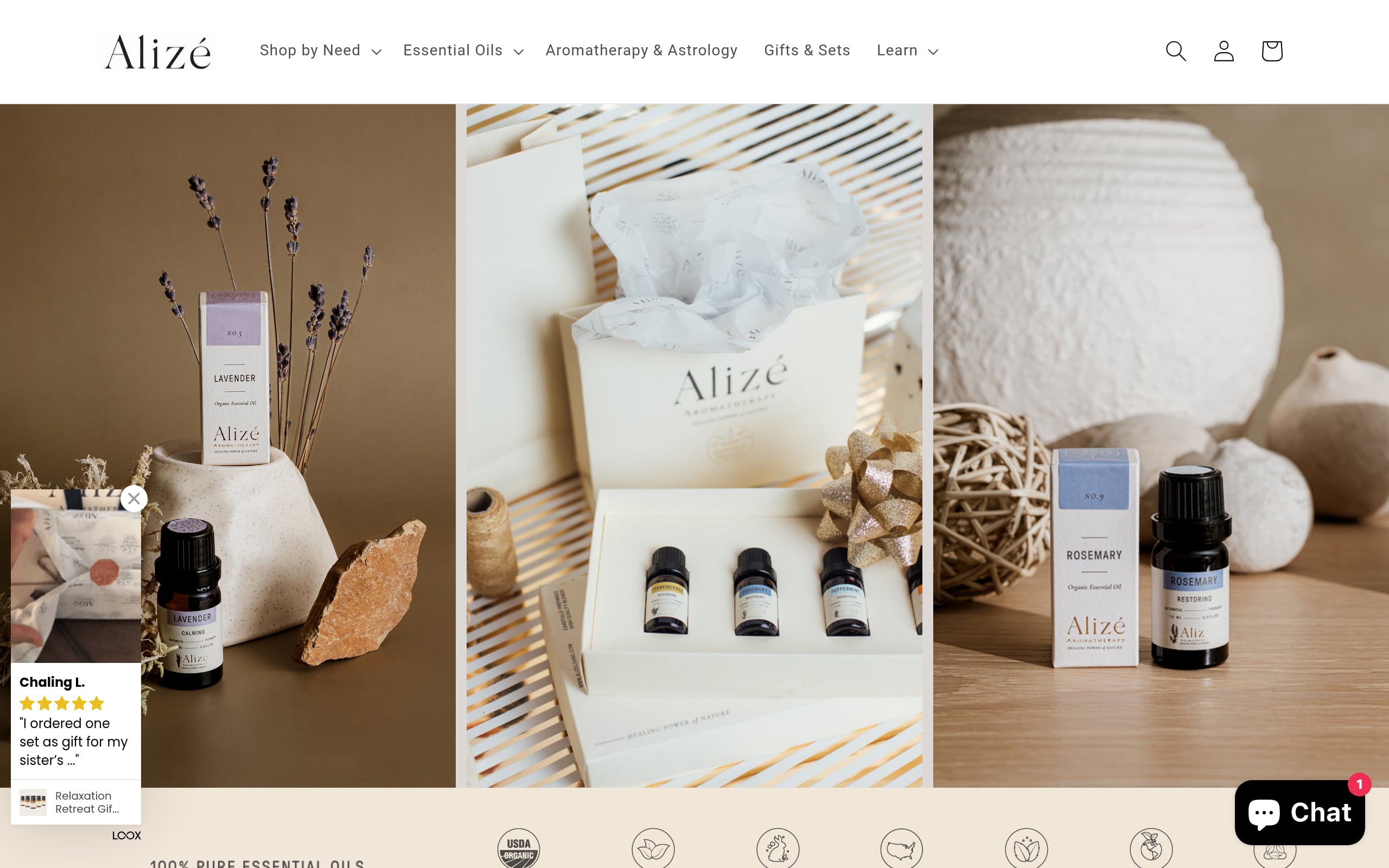
Quick formula
5 drops Lavender (Lavandula angustifolia)
3 drops Bergamot (Citrus bergamia)
2 drops Frankincense (Boswellia carterii)
1 drop Roman Chamomile (Chamaemelum nobile)
Why it helps
Lavender's linalool rich calm pairs with mood brightening bergamot, while frankincense's alpha pinene encourages measured, grounding breaths. Roman chamomile layers in soothing esters for a rounded, floral citrus profile that eases mental tension without feeling heavy.
How to use
- Diffuse: 5 to 8 drops per 100 mL water for 30 to 60 minutes in a ventilated room.
- Topical: 1 to 2% dilution (6 to 12 drops total essential oil per 1 oz/30 mL carrier); patch test first.
- Safety: Cold pressed bergamot can be phototoxic. Avoid UV/sun exposure on applied skin for at least 12 hours (or use FCF bergamot). Consult a clinician if pregnant, nursing, or under medical care.
2. Anxiety Blend #1
Crisp, serene, and quietly supportive. This trio is designed for moments when you need clear focus without the jitters, like a deep breath at your desk before a big call.
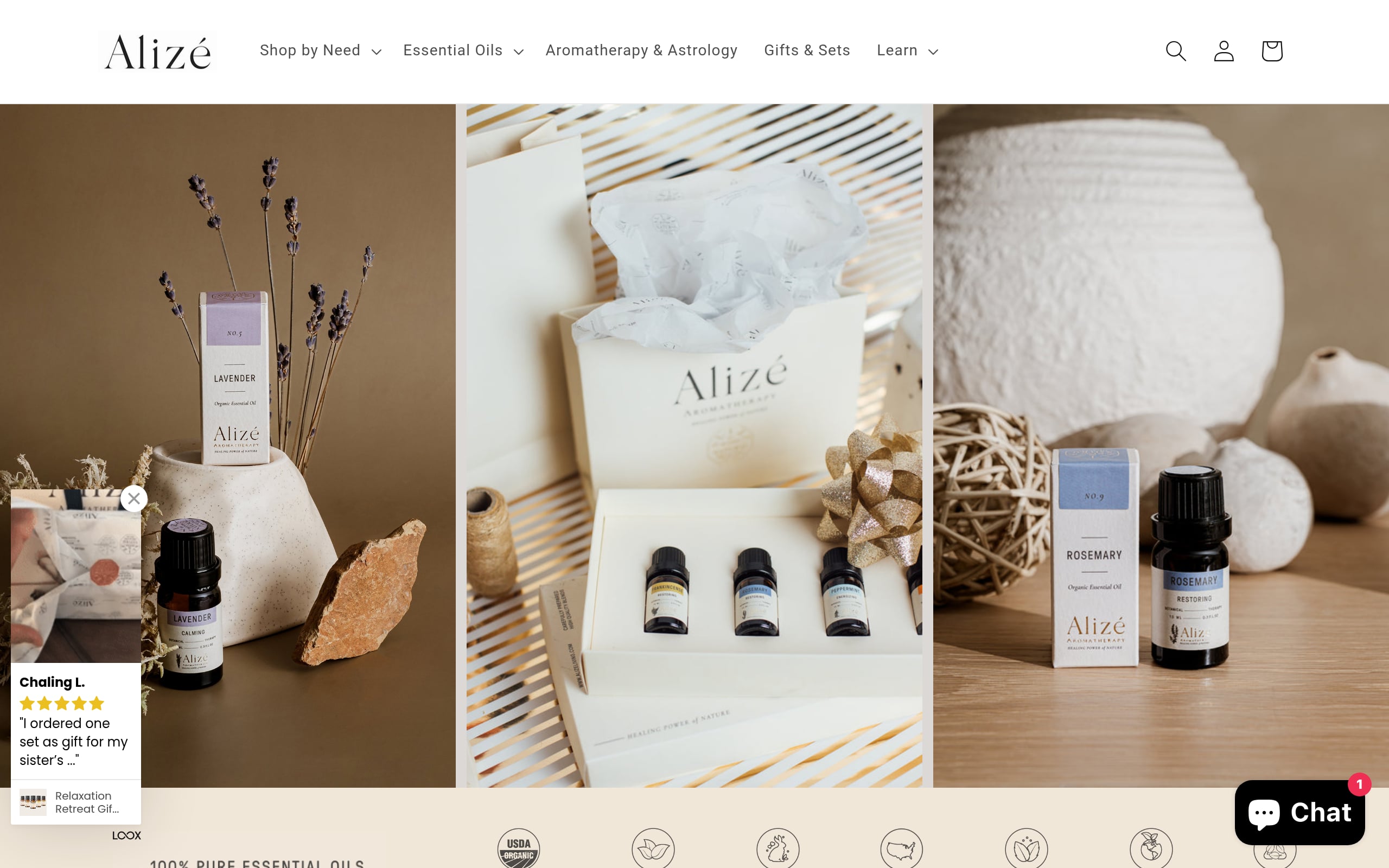
Quick formula
4 drops Lavender (Lavandula angustifolia)
3 drops Bergamot (Citrus bergamia)
2 drops Frankincense (Boswellia carterii)
Why it helps
Lavender's gentle herbaceous calm softens racing thoughts while bergamot's bright citrus lift can shift mood upward. Grounding frankincense anchors the blend with a resinous, meditative base, creating an aroma that feels both steadying and optimistic.
How to use
- Diffuse: 5 to 8 drops per 100 mL water for 30 to 60 minutes.
- Topical: 1 to 2% dilution (6 to 12 drops per 1 oz/30 mL carrier); patch test.
- Safety: Avoid UV/sun exposure on skin for at least 12 hours after using cold pressed bergamot (or choose FCF). Consult a clinician if pregnant or nursing.
3. Anxiety Blend #2
If you crave calm with a touch of comfort, this floral citrus blend melts tension while a velvety base lends staying power. Perfect for unwinding after a long, stimulus heavy day.
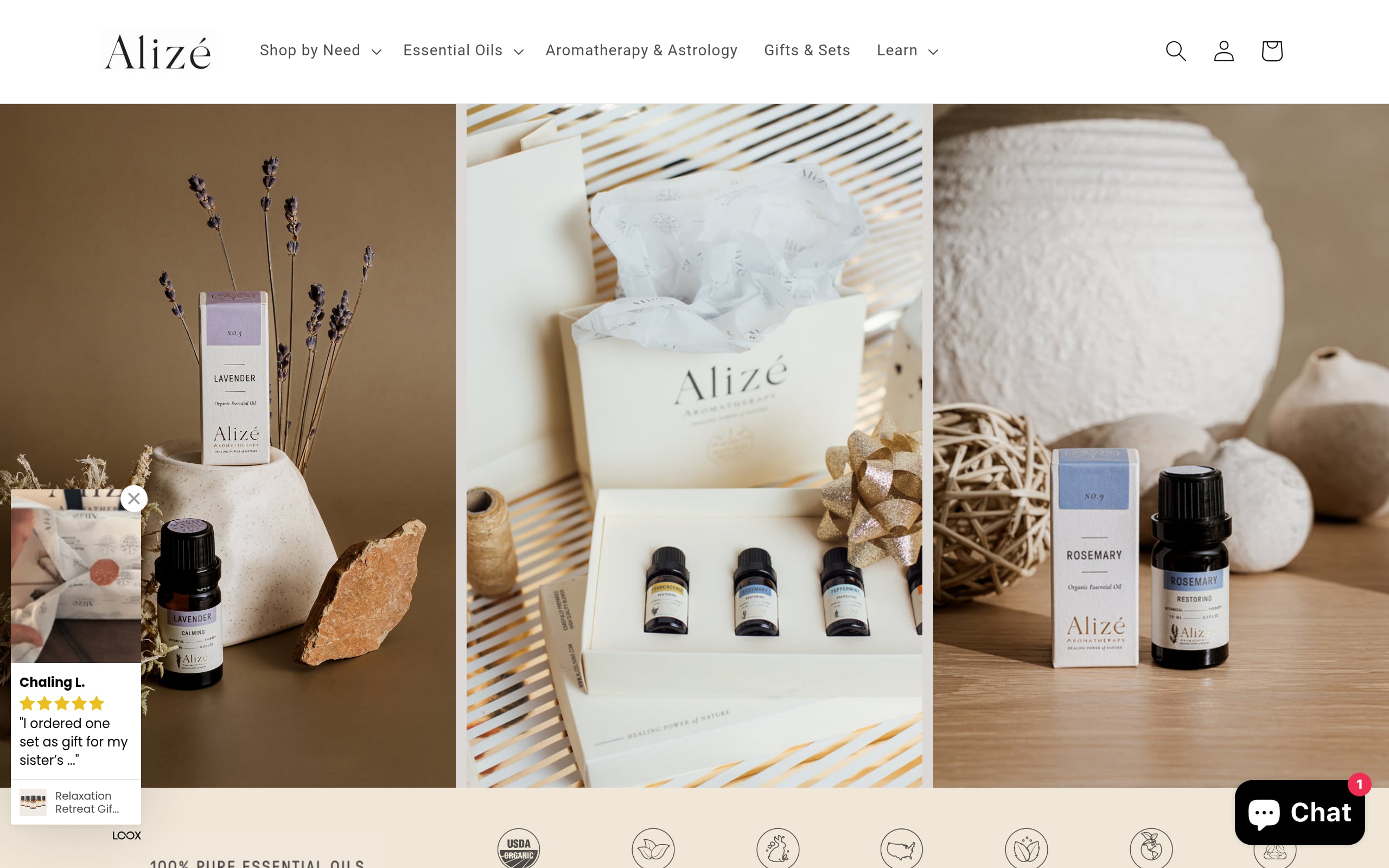
Quick formula
4 drops Bergamot (Citrus bergamia)
3 drops Ylang Ylang (Cananga odorata)
2 drops Patchouli (Pogostemon cablin)
1 drop Roman Chamomile (Chamaemelum nobile)
Why it helps
Cheerful bergamot brightens mood while ylang ylang's lush florals relax the nervous system. Patchouli provides an earthy, grounding cushion, and Roman chamomile weaves in a soft, tranquil note. Together they create a balanced, reassuring cocoon.
How to use
- Diffuse: 5 to 8 drops per 100 mL water for up to 45 minutes.
- Topical: 1 to 2% dilution (6 to 12 drops per 1 oz/30 mL carrier); patch test.
- Safety: Cold pressed bergamot may be phototoxic. Avoid UV/sun exposure on applied skin for at least 12 hours (or use FCF). Seek clinician guidance if pregnant, nursing, or managing a health condition.
4. Anxiety Blend #3
Rich, wood resin depth meets gentle herbal clarity. This blend works as an aromatic "reset" button when you feel the surge of worry coming on.
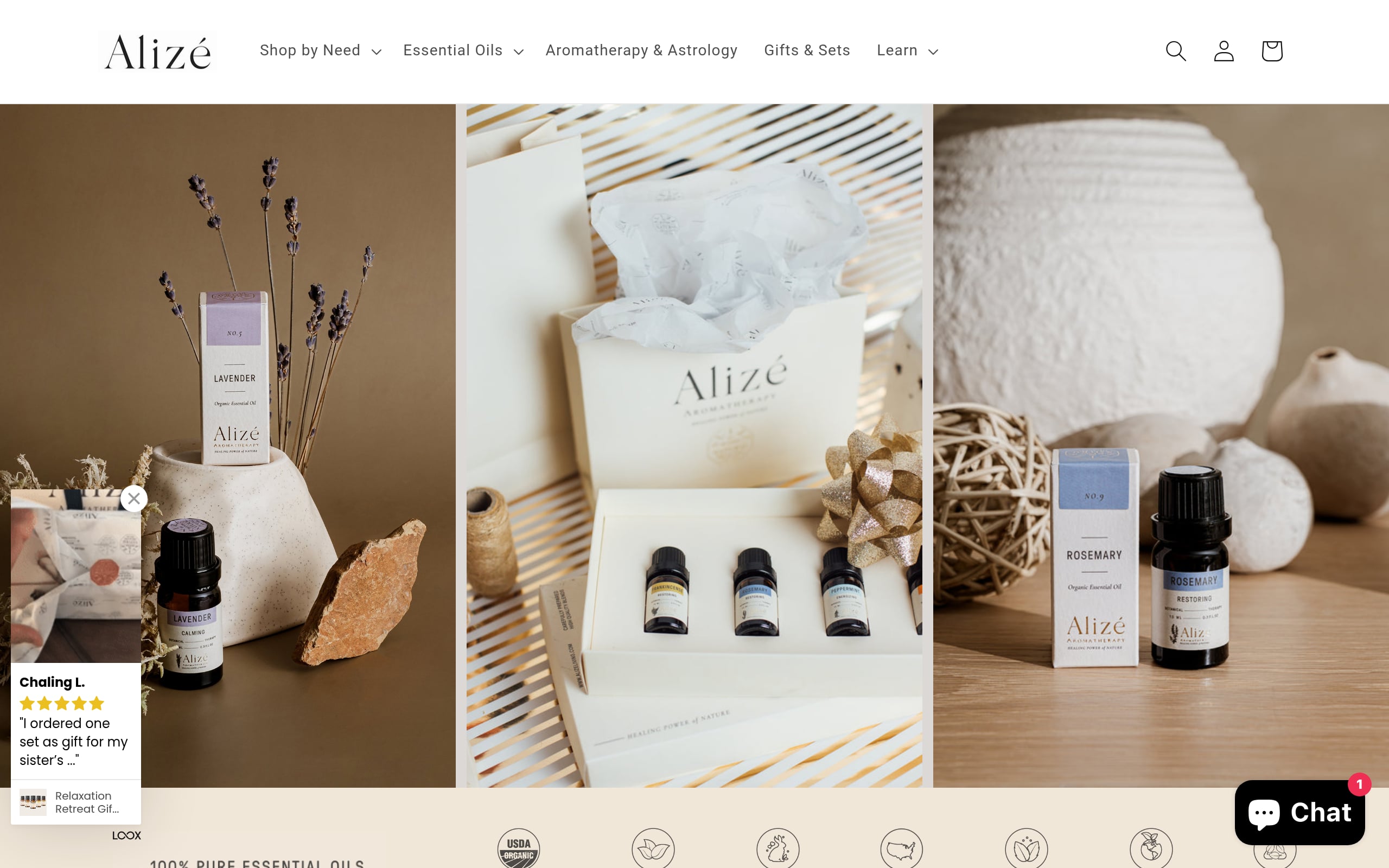
Quick formula
4 drops Frankincense (Boswellia carterii)
3 drops Bergamot (Citrus bergamia)
2 drops Clary Sage (Salvia sclarea)
1 drop Sandalwood (Santalum album)
Why it helps
Frankincense encourages slower, deeper breathing and a centered feel. Bergamot adds a bright, uplifting top note. Clary sage's herbaceous warmth releases mental tension, and sandalwood drapes everything in a silky, serene base for lasting calm.
How to use
- Diffuse: 5 to 8 drops per 100 mL water for 30 to 60 minutes in a ventilated space.
- Topical: 1 to 2% dilution (6 to 12 drops per 1 oz/30 mL carrier); patch test.
- Safety: Cold pressed bergamot can be phototoxic. Avoid UV/sun for at least 12 hours on applied skin (or use FCF). Consult a clinician if pregnant, nursing, or on medication.
5. Anxiety Blend #4
Sophisticated yet soothing, this citrus resin floral blend brings both brightness and ballast. Ideal for easing evening tension without losing a sense of lightness.
Quick formula
4 drops Bergamot (Citrus bergamia)
3 drops Frankincense (Boswellia carterii)
2 drops Patchouli (Pogostemon cablin)
1 drop Ylang Ylang (Cananga odorata)
Why it helps
Bergamot's lively citrus top brings clarity. Frankincense invites steadier breaths and a grounded mood. Patchouli adds earthy reassurance while a whisper of ylang ylang softens the edges, forming a calm, polished aroma.
How to use
- Diffuse: 5 to 8 drops per 100 mL water for up to 60 minutes.
- Topical: 1 to 2% dilution (6 to 12 drops per 1 oz/30 mL carrier); patch test.
- Safety: To avoid phototoxicity from cold pressed bergamot, keep applied skin out of UV/sun for at least 12 hours (or choose FCF). Consult a clinician if pregnant or nursing.
13 Named Diffuser Blend Recipes for Every Mood
Beyond the top 5 blends above, having a library of named recipes makes it easy to match a blend to exactly how you feel. Each recipe below uses 5 to 10 total drops in a standard 100 to 200 mL diffuser. Run for 30 to 60 minutes in a ventilated room.
Gentle Breeze Diffuser Blend
Light and airy. Good for morning anxiety or a fresh start.
3 drops Lavender
3 drops Orange
2 drops Frankincense
Orange adds cheerful limonene without being overpowering, while lavender and frankincense keep things grounded.
Tranquil Woods Diffuser Blend
Earthy and still, like walking through a quiet forest.
3 drops Cedarwood
3 drops Frankincense
2 drops Bergamot
Cedarwood's cedrol content has shown sedative effects in a 2003 study published in the Japanese Journal of Pharmacology. Combined with frankincense and a citrus top note, this blend feels deeply settling.
Calm Waters Diffuser Blend
Cool, clean, and restorative.
3 drops Bergamot
2 drops Lavender
2 drops Ylang Ylang
1 drop Patchouli
The ylang ylang and patchouli base creates a smooth floral earthiness, while bergamot and lavender keep the top notes fresh and open.
Calm Down Blend
A simple "emergency" blend for acute stress moments.
4 drops Lavender
3 drops Roman Chamomile
2 drops Frankincense
Roman chamomile is one of the gentlest oils in the calming category. Several practitioners on Reddit describe this combination as the closest thing to a "pause button" for the nervous system.
Stress Buster Blend
Bold and effective for heavy tension days.
3 drops Bergamot
3 drops Clary Sage
2 drops Ylang Ylang
Clary sage brings linalyl acetate and sclareol to the table, both of which have been associated with reduced cortisol and improved mood in a 2014 study. Bergamot brightens the blend while ylang ylang smooths the edges.
Easy Day Diffuser Blend
Soft, uncomplicated, and pleasant enough for shared spaces.
3 drops Lavender
3 drops Orange
1 drop Cedarwood
This is a crowd pleaser. The orange lavender combination is approachable even for people new to aromatherapy.
Chill Out Diffuser Recipe
Mellow and warm, with a slightly exotic character.
3 drops Ylang Ylang
3 drops Bergamot
2 drops Patchouli
The floral sweetness of ylang ylang pairs well with patchouli's depth. Bergamot prevents the blend from feeling too heavy.
Calm Your Soul Blend
Deeply meditative and resinous.
3 drops Frankincense
2 drops Lavender
2 drops Sandalwood
1 drop Roman Chamomile
This is the blend to reach for during meditation, journaling, or any practice that requires stillness. Sandalwood's alpha santalol encourages a contemplative mental state.
Anxious Relief Diffuser Blend
Purpose built for racing thoughts and physical tension.
3 drops Lavender
3 drops Bergamot
2 drops Clary Sage
1 drop Frankincense
This combination hits anxious feelings from multiple angles: lavender relaxes, bergamot lifts, clary sage eases hormonal stress contributions, and frankincense slows the breath.
Relax Your Busy Mind Blend
For the overthinking brain that won't turn off.
3 drops Cedarwood
3 drops Lavender
2 drops Bergamot
Cedarwood and lavender are both associated with improved sleep quality, making this a good choice for the transition from work mode to rest mode.
Renewed Calm Blend
A fresh, optimistic take on calming aromatherapy.
3 drops Bergamot
2 drops Lavender
2 drops Grapefruit
1 drop Frankincense
Grapefruit adds a bright, clean top note that keeps this blend feeling energized rather than sedating. Good for afternoon anxiety when you still need to stay productive.
Stressed No More Blend
Warm, comforting, and enveloping.
3 drops Frankincense
3 drops Lavender
2 drops Ylang Ylang
1 drop Patchouli
This is a "wrap yourself in a blanket" blend. The resinous and floral base notes dominate, creating a feeling of being held and protected.
Diffuser Master Blend (Premix Bottle)
Rather than measuring drops each time, premix a larger batch:
15 drops Lavender
12 drops Bergamot
8 drops Frankincense
5 drops Ylang Ylang
5 drops Patchouli
Combine all oils in a 5 mL dark glass bottle. Label and date it. Add 5 to 8 drops from this master blend to your diffuser each session. The premixed bottle will last roughly 8 to 10 sessions.
For more blend recipes beyond stress and anxiety, see the Alize Living guide on diffuser blend recipes for sleep, focus, and stress.
Make It a Habit: Simple Routines for Calmer Days and Better Sleep
Consistency matters more than intensity. Integrating aromatherapy into daily life creates small rituals that signal the brain it's time to shift gears.
- Morning Moment: Diffuse the Gentle Breeze or Easy Day blend while getting ready. Bergamot and orange set a positive tone without overstimulating.
- Afternoon Reset: Keep a personal inhaler at your desk. When tension builds, uncap and take three slow, deep breaths. One aromatherapy practitioner shared in a YouTube walkthrough that the act of pausing to use an inhaler is itself a mini mindfulness exercise, and the scent reinforces the neural signal to relax.
- Evening Unwind: About an hour before bed, run the Tranquil Woods or Calm Your Soul blend in your bedroom. The American Sleep Association has noted that aromatherapy can be a safe alternative to pharmaceutical sleep aids for mild sleep difficulties.
- Bath Ritual: Add 4 to 6 drops of a calming blend to a tablespoon of carrier oil, then swirl it into a warm bath. The combination of heat and scent relaxes muscles and quiets the mind.
- Weekend Reset: Once a week, spray the air freshener recipe (described above) throughout your living space, change your diffuser blend to something you haven't tried recently, and spend 10 to 15 minutes doing nothing except breathing. Rotation prevents olfactory fatigue, the phenomenon where your nose stops noticing a scent after prolonged exposure.
Making an essential oil blend for stress and anxiety part of your routine builds resilience over time, not just in the moment but as a cumulative practice.
Conclusion: Build a Small, Steady Calming Ritual
Creating a personal essential oil blend for stress and anxiety is one of the most accessible steps toward managing emotional wellbeing naturally. Whether you start with a single named recipe like the Calm Down Blend or build your own diffuser master blend, the key is to begin simply and stay consistent.
High quality, organic oils make a real difference. Skip the synthetic fragrance oils and go straight for pure botanicals.
Start your calming collection today: Explore the Relaxation Retreat Gift Box or the Stress Relief Kit for a ready made set that covers the core calming oils.
FAQ
What is the best essential oil blend for stress and anxiety?
The most popular and well supported combination is lavender for relaxation, bergamot for mood lifting, and frankincense for grounding. From there, adding Roman chamomile, ylang ylang, or clary sage lets you customize the blend to your scent preferences.
How quickly does an essential oil blend for stress and anxiety work?
When inhaled, aromatic molecules reach the brain's limbic system within seconds. Most people notice a calming shift within one to three minutes. Consistent daily use tends to produce more lasting benefits than occasional use.
Can I apply essential oils directly to my skin?
No. Undiluted essential oils are highly concentrated and can cause irritation or sensitization. Always dilute with a carrier oil first. A 1 to 2% dilution (roughly 6 to 12 drops per ounce of carrier oil) is standard for adults. See this safe dilution ratios chart for specifics.
What's the difference between fragrance oils and essential oils?
Essential oils are pure, natural plant extracts with therapeutic properties. Fragrance oils are synthetic lab creations designed to mimic scents, and they offer no wellness benefits. For an effective essential oil blend for stress and anxiety, always use 100% pure essential oils.
Is diffusing essential oils safe around kids and pets?
With precautions, yes. Use shorter diffusing sessions (20 to 30 minutes), ensure good ventilation, and avoid oils known to be problematic for specific animals (cats are especially sensitive to phenol rich oils like tea tree). Always keep oils stored out of reach of children.
How do I store my essential oils to keep them fresh?
Store them in their original dark glass bottles in a cool, dark place, away from direct sunlight and heat. Proper storage prevents oxidation and preserves therapeutic properties. Most oils stay potent for one to three years when stored correctly; citrus oils tend to degrade faster, within about a year.
What is a diffuser master blend and why should I make one?
A diffuser master blend is a premixed bottle of undiluted essential oils combined at your preferred ratio. Instead of measuring individual drops each session, you just add 5 to 8 drops from the master blend to your diffuser. It saves time, ensures consistent scent, and reduces waste from miscounting drops.
Can I use these blends in a personal inhaler instead of a diffuser?
Absolutely. Add 10 to 15 drops of any blend listed above to the cotton wick inside a blank inhaler tube. The inhaler format is ideal for workplaces, travel, and public settings where diffusing isn't practical.


