
TL;DR
Lavender has the strongest evidence for general anxiety relief, but it’s not the only option worth considering. Bergamot lifts low-mood anxiety without sedation, sweet orange calms without drowsiness during work hours, and ylang ylang directly targets racing heartbeat. This guide ranks ten anxiety calming oils by research strength, maps each to a specific anxiety type, and provides exact blend recipes you can try tonight.
Anxiety disorders affect roughly 40 million adults in the United States alone, making them the most common mental health condition in the country. Many people dealing with everyday worry, situational stress, or clinical anxiety are looking for complementary tools that work alongside professional care. Essential oils are one of those tools, and the research backing them has grown considerably.
A meta-analysis of 25 clinical studies found that calming essential oils can measurably reduce anxiety. A 2024 study from UF Health reported that self-reported anxiety levels dropped an average of 40% among adults using aromatherapy, and in children ages 12 to 17, they declined more than 56%.
The science is straightforward. When you inhale essential oil molecules, they travel from the olfactory nerves directly to the brain, particularly the amygdala, the emotional center, as Johns Hopkins Medicine explains. This pathway is fast. Aroma molecules reach the olfactory bulb in under one second, then connect directly to the amygdala and hippocampus, the two brain structures most involved in fear, threat detection, and emotional memory.
That said, not every oil works the same way, and not every oil suits every type of anxiety. Below is a ranked guide to the ten best anxiety calming oils, organized by evidence strength and matched to specific stress patterns.
At-a-Glance Comparison Table
| Oil | Best For | Evidence Level | Sedating? | Scent Profile |
|---|---|---|---|---|
| Alize Living Stress Relief Kit | Complete anxiety routine (curated set) | ★★★★★ (bundles top-ranked oils) | Varies by oil | Multi-oil kit |
| Lavender | General anxiety, sleep | ★★★★★ (22+ RCTs) | Mild | Floral, herbal |
| Bergamot | Low-mood anxiety, fatigue | ★★★★ (10+ trials) | No | Citrus, floral |
| Sweet Orange | Daytime work stress | ★★★ (5+ trials) | No, energizing | Sweet citrus |
| Ylang Ylang | Racing heart, palpitations | ★★★ (3-5 trials) | Mild | Sweet floral, exotic |
| Frankincense | Meditation, grounding | ★★★ (blend studies) | No | Woody, resinous |
| Chamomile (Roman) | Sleep-anxiety overlap | ★★★ (apigenin studies) | Yes | Sweet, herbaceous |
| Clary Sage | Hormonal anxiety (PMS) | ★★★ (cortisol data) | Mild | Herbal, earthy |
| Cedarwood | Nighttime wind-down | ★★ (cedrol studies) | Mild | Woody, warm |
| Patchouli | Emotional grounding | ★★ (emerging) | No | Earthy, musky |
The 10 Best Anxiety Calming Oils
1. Alize Living Stress Relief Kit
Best for: Starting a complete anxiety relief routine with curated, USDA organic oils matched to clinical research.
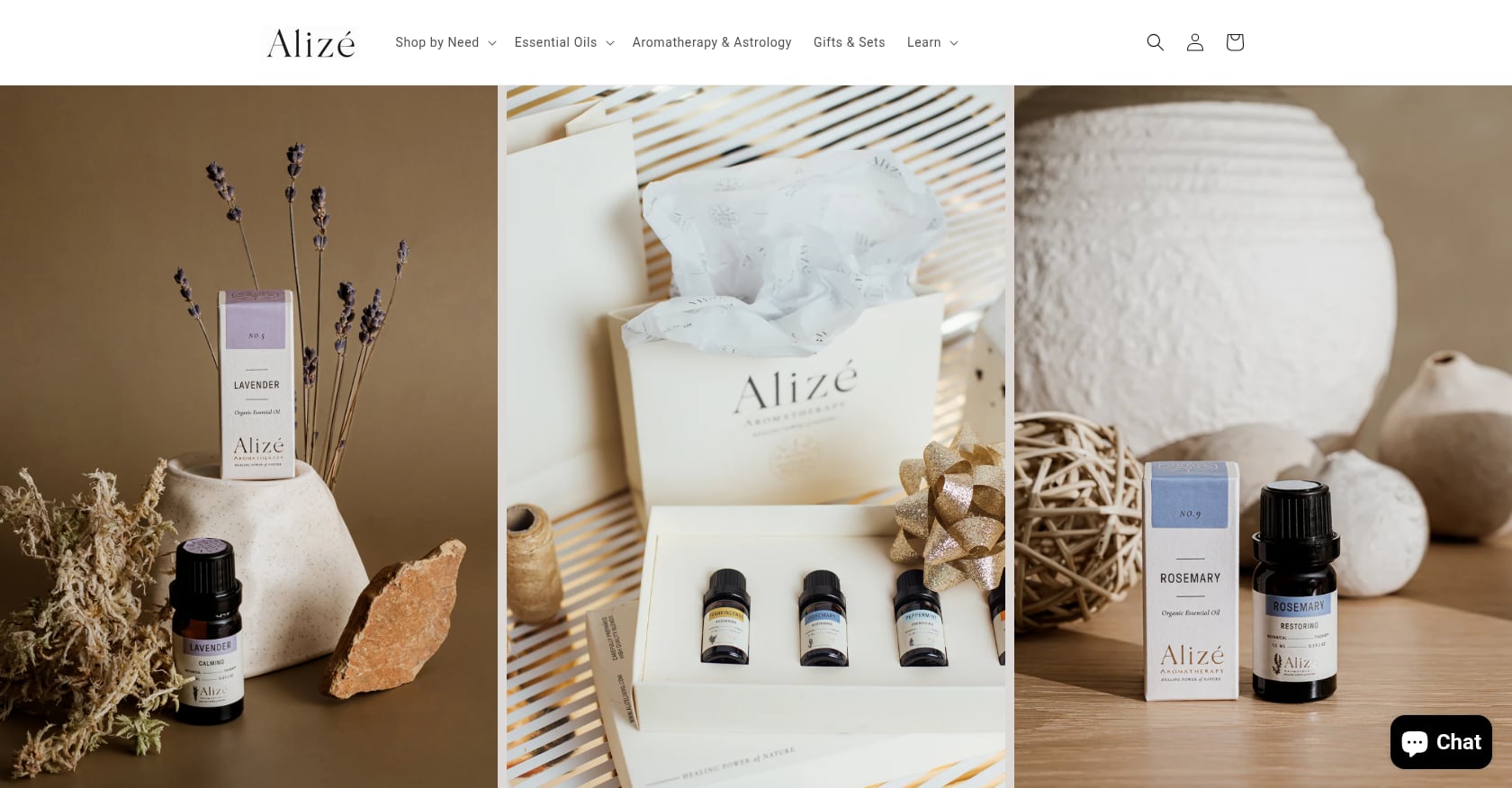
Alize Living is a pharmacist-founded aromatherapy brand based in Newport Beach, California, and their Stress Relief Kit bundles several of the top-ranked oils from this list into one set. Every oil is USDA certified organic, vegan, cruelty-free, and made in the USA. What sets this brand apart is the transparency on each product page: botanical name, plant part, extraction method, and country of origin are all listed, which is exactly what you need to verify quality (more on that below).
The brand was started by a pharmacist who transitioned from conventional medicine into holistic aromatherapy. That background shows in the product design. Rather than selling dozens of oils with vague wellness claims, Alize Living curates small collections around specific goals like stress relief, relaxation, and sleep. Their oils include several that rank highest on this list for anxiety evidence: lavender (Lavandula angustifolia, sourced from Bulgaria), bergamot, frankincense (Boswellia serrata, sourced from India), and sweet orange.
On Amazon, the brand holds a 4.8 out of 5 rating across early reviews. The Shopify storefront offers free shipping on orders over $25, and unopened bottles can be returned within 30 days.
What’s included: The Stress Relief Kit packages complementary oils for anxiety, so you can experiment with different scent profiles and find what works for your specific anxiety pattern, whether that’s lavender for general calm, bergamot for mood-lifting, or frankincense for grounding.
Tradeoffs:
- Catalog is smaller than legacy essential oil companies like Plant Therapy or Edens Garden. Some SKUs may be out of stock at times.
- Shipping is currently US-only.
- The organic certificate page shows badge imagery but doesn’t display a third-party certifier name or certificate ID, which more discerning buyers may want to verify independently.
You can browse their full collection at alizeliving.com or check their organic certification page for sourcing details.
2. Lavender
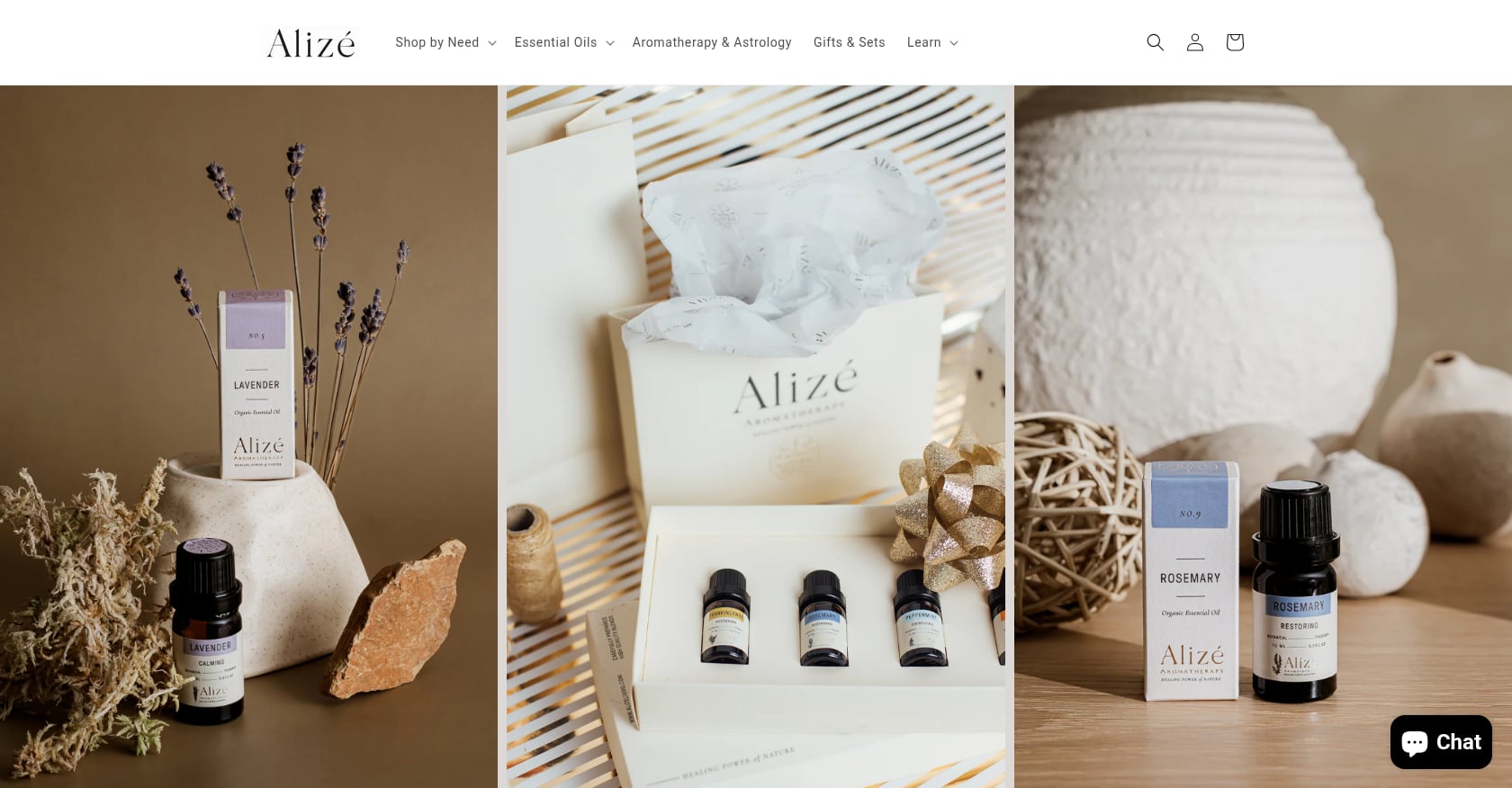
Best for: All-purpose anxiety, including chronic worry, sleep difficulty, panic, and nervous tension.
Lavender is the most studied essential oil for anxiety, and it earns a top spot for good reason. A systematic review of 11 studies covering 972 participants found that 10 of the 11 reported significantly decreased anxiety levels after lavender oil inhalation. Across 22 published trials covering pre-surgical anxiety, dental anxiety, exam stress, and generalized anxiety disorder, the average improvement on the State-Trait Anxiety Inventory was 20 to 40% over placebo groups.
Key active compounds: Linalool and linalyl acetate. These terpenoids produce anxiolytic effects through inhibition of voltage-gated calcium channels, reduction of 5HT1A receptor activity, and increased parasympathetic tone.
How to use it:
- Diffuser: 4-5 drops in 100-200 mL water, 30 minutes before bed
- Topical: 3 drops in 10 mL carrier oil, applied to inner wrists
- Direct inhalation: Hold bottle 6 inches from nose, breathe slowly for 3+ minutes
Tradeoffs:
- Lavender works for roughly 65% of users. Some people find the floral scent too strong or simply don’t respond to it.
- Mild sedation makes it less ideal during focused work hours.
- Quality varies wildly between brands. Look for Lavandula angustifolia specifically on the label, not just “lavender.”
Real-world perspective: One user on a wellness forum shared, “I have found it helpful to carry lavender oil with me so I can inhale it as needed to decrease anxiety as soon as it comes up.” This on-the-go approach aligns with research showing effects appear within 5 to 15 minutes.
For more on this oil’s broader benefits, read our lavender oil deep dive. Alize Living’s organic lavender essential oil is steam distilled from Lavandula angustifolia flowering tops sourced from Bulgaria.
3. Bergamot
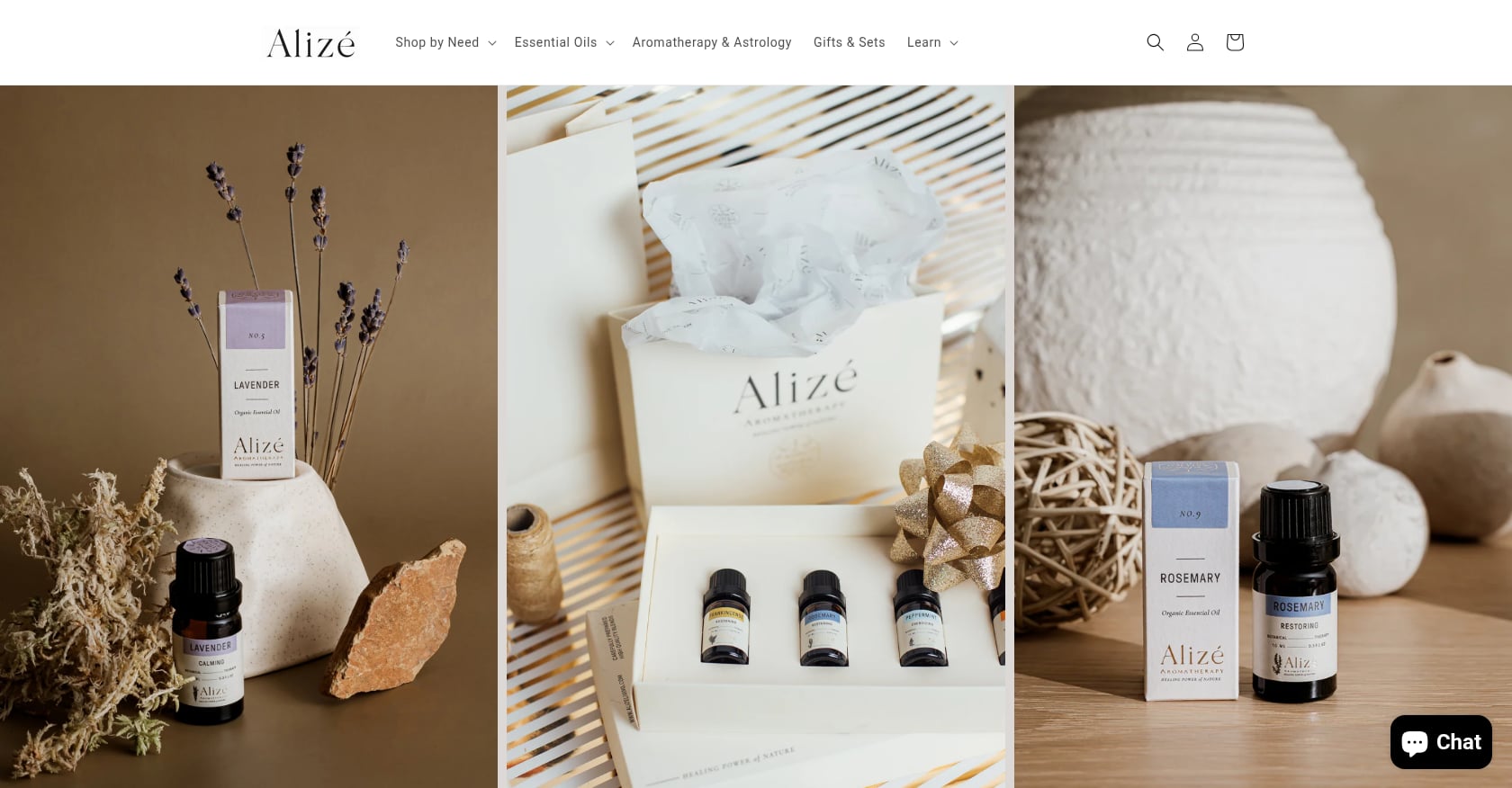
Best for: Anxiety paired with low mood, social stress, or fatigue.
Bergamot holds the second-strongest evidence base among anxiety calming oils. A landmark 2025 study published in Advanced Science identified the actual neural pathway responsible: 1.0% bergamot essential oil exerts anxiolytic effects through a circuit projecting from the anterior olfactory nucleus to the anterior cingulate cortex. This was the first study to map the precise brain mechanism for any essential oil’s anti-anxiety effect.
A pilot study in a mental health treatment center found preliminary evidence of bergamot’s efficacy and safety for mental well-being. A randomized crossover trial with 48 university students reported significant improvement in depression, anxiety, stress, and sleep quality in the bergamot group.
Key active compounds: Limonene and linalyl acetate.
How to use it:
- Diffuser: 3-4 drops, especially in the morning or before social situations
- Topical: Use only FCF (furanocoumarin-free) bergamot for skin application
- Inhalation: 3 minutes minimum for measurable effects
Tradeoffs:
- Bergamot is phototoxic. Standard bergamot oil contains furanocoumarins that can burn skin in sunlight. Always choose FCF versions for topical use.
- The citrus-floral scent, while pleasant to most, can be polarizing.
- Research, though growing, is still smaller in volume compared to lavender.
In a PTSD pilot study with first responders, bergamot produced a calming effect, improved sleep, reduced anxiety, increased positive mood, and reduced avoidance behavior. That dual action on mood and anxiety is what sets bergamot apart from sedating-only options.
Alize Living’s organic bergamot essential oil is USDA certified organic and lists full botanical details on the label.
4. Sweet Orange
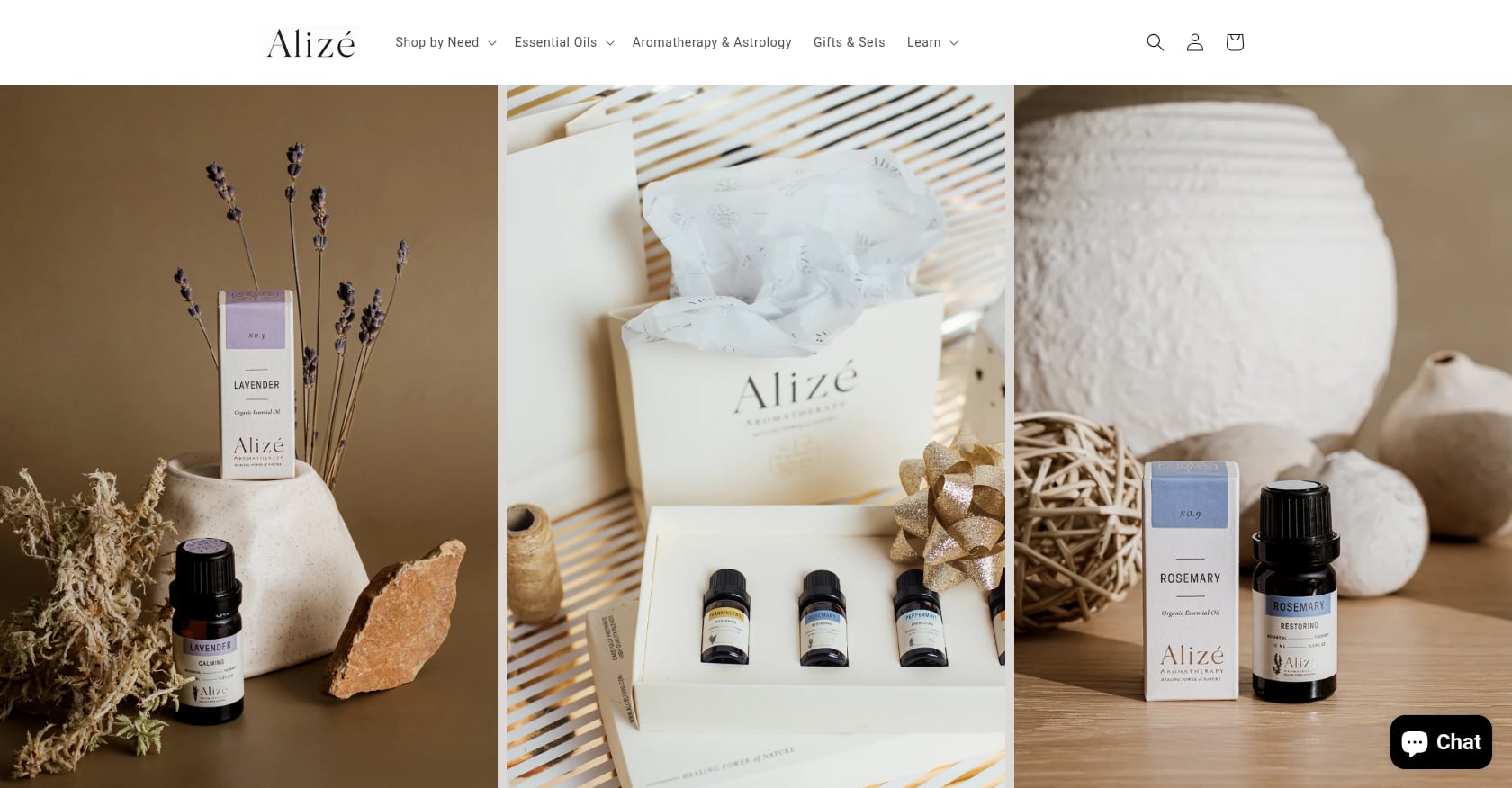
Best for: Daytime anxiety, work stress, dental or procedural nervousness, children’s anxiety.
Sweet orange is the oil to reach for when you need calm without drowsiness. A 2012 PubMed study found that individuals exposed to sweet orange aroma showed no significant increases in state anxiety, subjective tension, or stress levels throughout an anxiogenic situation, revealing clear anxiolytic activity.
What makes orange particularly interesting is what it does not do. As NutritionFacts.org reported, the anxiety-reducing effects were not followed by physical or mental sedation. At the highest dose, orange oil actually made volunteers feel more energetic. Orange aromatherapy may potentially reduce anxiety without the sedation of pharmaceutical alternatives.
A 2013 study found that aromatherapy with orange essential oil reduced pulse rate and stress hormone levels in children undergoing a dental procedure. A workplace stress study showed heart rate variability increased by 25% to 47.5% during rest periods when sweet orange oil was diffused.
Key active compounds: Limonene (90%+), myrcene.
How to use it:
- Diffuser: 4-6 drops during work hours
- Direct inhalation: Before meetings, presentations, or stressful conversations
- Topical: Dilute to 2-3% in carrier oil for wrist application
Tradeoffs:
- Effects tend to be milder than lavender for severe anxiety.
- As a citrus oil, it oxidizes faster than woody or resinous oils. Store in a cool, dark place.
- Less effective as a standalone option for nighttime anxiety or insomnia.
Alize Living offers an organic orange essential oil from their single-oil collection.
5. Ylang Ylang
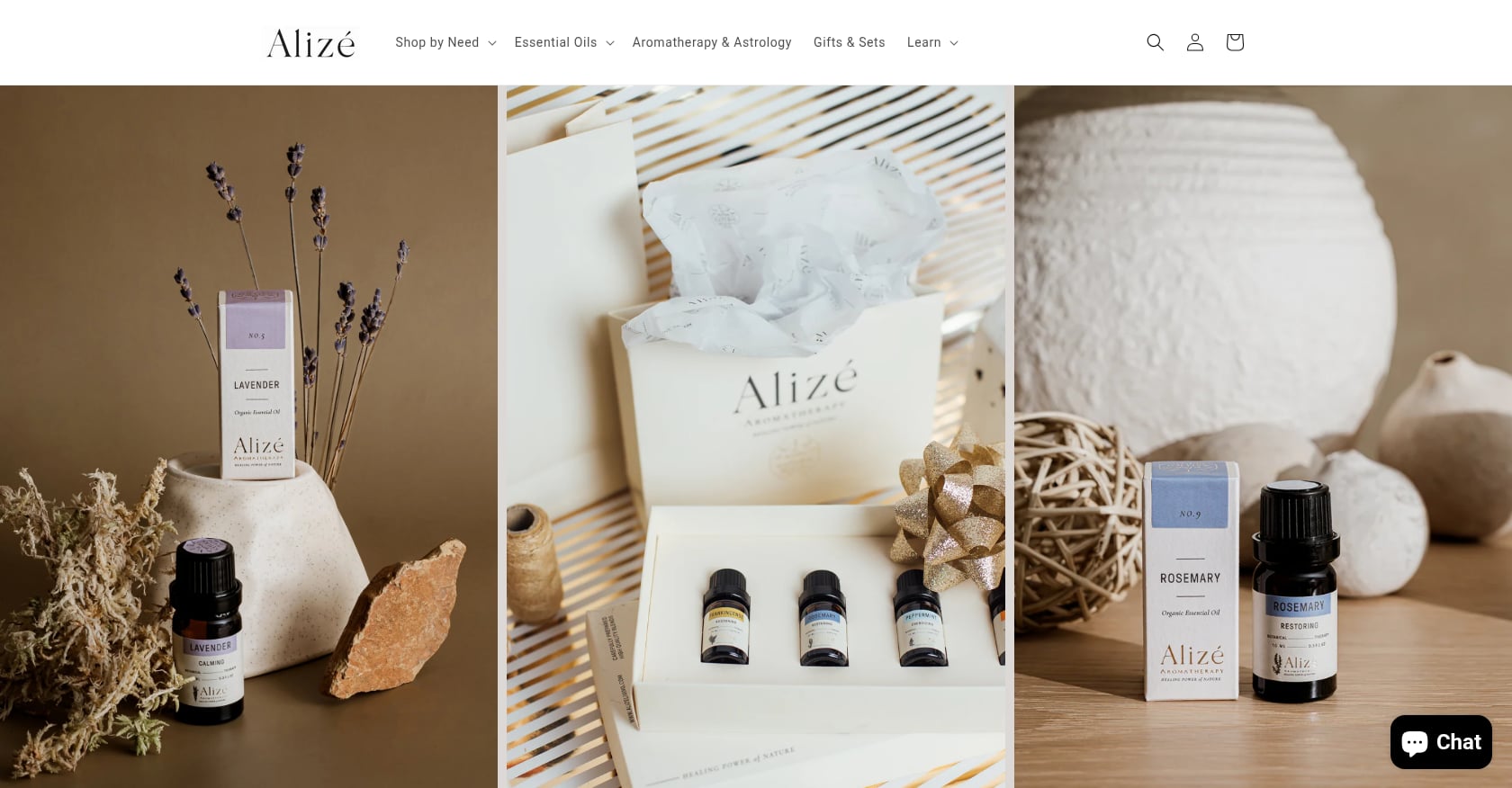
Best for: Anxiety with racing heart, palpitations, or blood pressure concerns.
If your anxiety shows up physically, with a pounding heart, chest tightness, or elevated blood pressure, ylang ylang targets those symptoms directly. A study published in PMC found that inhalation of ylang ylang aroma significantly decreased systolic and diastolic blood pressure, and also significantly decreased heart rates.
A 2014 study found that ylang ylang reduced anxiety and boosted self-esteem when applied to skin or inhaled. A 2006 Korean study showed that using ylang ylang oil alongside bergamot and lavender once daily for four weeks reduced psychological stress responses, serum cortisol levels, and blood pressure in clients with essential hypertension.
Key active compounds: Linalool, benzyl acetate, geranyl acetate.
How to use it:
- Diffuser: 2-3 drops (its scent is strong, so less is more)
- Topical blend: 2 drops ylang ylang + 4 drops lavender in 10 mL carrier oil
- Direct inhalation: During moments of acute physical anxiety symptoms
Tradeoffs:
- The sweet floral scent is intense and can cause headaches in sensitive individuals if over-diffused.
- People with naturally low blood pressure should use cautiously, as ylang ylang can lower it further.
- A small number of people find the fragrance cloying. Blending with cedarwood or frankincense balances it.
Community perspective: Practitioners on forums like Beyond Blue report recommending ylang ylang specifically for the “racing heart” sensation common in anxiety episodes. One contributor noted frankincense as their top choice for feeling peace, while another singled out ylang ylang for physical symptoms.
Alize Living’s organic ylang ylang essential oil is USDA certified organic and made in the USA.
6. Frankincense
Best for: Meditation-based anxiety management, grounding during overwhelm, deepening breathwork.
Frankincense is the oil practitioners reach for when anxiety feels scattered and unmoored. Its evidence base leans more toward traditional use and blend studies than standalone RCTs, but the clinical data that exists is promising. A 2014 study found that a blend of bergamot, frankincense, and lavender in equal ratios used in hand massages for hospice patients resulted in all patients reporting less pain and depression.
The Cleveland Clinic lists frankincense among the oils connected to stress relief. Its therapeutic reputation centers on promoting deeper breathing and reducing the breathlessness often associated with anxiety, making it a natural fit for yoga, meditation, or breathwork routines.
Key active compounds: Boswellic acids, incensole acetate.
How to use it:
- Diffuser: 3-4 drops during meditation or evening wind-down
- Topical: 2-3 drops in 10 mL carrier oil, applied to temples or chest
- Breathwork: Add 1 drop to palms, rub together, cup over nose, and breathe deeply
Tradeoffs:
- Standalone evidence for anxiety is thinner than lavender or bergamot. Most studies use frankincense in blends.
- The resinous, woody scent is not universally appealing.
- Higher price point than most common essential oils due to slow resin harvesting.
For a full exploration of this oil’s uses, see our guide to frankincense essential oil. Alize Living’s organic frankincense is Boswellia serrata, steam distilled from resin sourced from India.
7. Chamomile (Roman)
Best for: Sleep-anxiety overlap, nighttime restlessness, overthinking at bedtime.
Roman chamomile (Chamaemelum nobile) contains apigenin, a compound that binds to specific receptors in the brain to reduce anxiety and promote sleep. This mechanism is well studied in the supplement world, and the essential oil delivers the same compound through inhalation.
A study published in Frontiers in Pharmacology found that both lavender and chamomile groups showed statistically significant improvements in depression, anxiety, and stress levels immediately and one month after the intervention in older community-dwelling adults. Roman chamomile is known for its sedative properties. It works on the central nervous system, promotes calm, and helps relieve mild anxiety.
Key active compounds: Apigenin, bisabolol, chamazulene.
How to use it:
- Diffuser: 4-5 drops, 30 minutes before bed
- Topical: 3% dilution in carrier oil, applied to bottoms of feet or chest
- Bath: 3-4 drops mixed with carrier oil, added to warm bath water
Tradeoffs:
- More sedating than other options on this list, making it poorly suited for daytime use.
- Can cause allergic reactions in people sensitive to ragweed or daisies (same plant family).
- Roman chamomile is more expensive per milliliter than most common oils.
Note: Alize Living does not currently carry chamomile essential oil. It’s included here for completeness because its evidence for sleep-anxiety is strong enough to warrant mention.
8. Clary Sage
Best for: Hormonal anxiety, PMS-related mood swings, cortisol-driven stress.
Clary sage has been shown to significantly increase serotonin levels and decrease cortisol levels. Since people with anxiety often have low serotonin and high cortisol, this dual action makes clary sage particularly relevant for hormonally driven anxiety patterns.
Research reveals clary sage oil may also calm the autonomic nervous system and limbic system, reducing symptoms of stress and anxiety from a neurological level.
Key active compounds: Linalyl acetate, sclareol.
How to use it:
- Diffuser: 3-4 drops during the luteal phase of the menstrual cycle
- Topical: 2-3% dilution, applied to lower abdomen or inner wrists
- Bath: Combined with lavender for a nighttime soak
Tradeoffs:
- Not suitable during pregnancy (may stimulate uterine contractions).
- The herbal, slightly musty scent is divisive. Some people find it unpleasant.
- Evidence, while promising, is concentrated in hormonal and cortisol studies rather than broad anxiety populations.
Note: Clary sage is not currently in the Alize Living catalog. It’s included for topical completeness.
9. Cedarwood
Best for: Nighttime wind-down, grounding blends, people who dislike floral scents.
Cedarwood contains cedrol, which studies link to sedative effects and parasympathetic nervous system activation. It’s the go-to recommendation in aromatherapy communities for people who find lavender “too floral” but still want calming effects.
Practitioners on Reddit and aromatherapy forums frequently suggest cedarwood as a “masculine” or “neutral” alternative for anxiety, noting that its warm, woody profile makes it more palatable for people who associate floral scents with something they won’t use.
Key active compounds: Cedrol, cedrene.
How to use it:
- Diffuser: 3-4 drops, often blended with lavender (2 drops each)
- Topical: 3% dilution, applied to chest or back of neck before bed
- Pillow spray: 2 drops on a tissue placed near the pillow
Tradeoffs:
- Research is more limited than the top five oils on this list.
- The sedative effect is mild, so cedarwood works best as part of a blend rather than alone.
- Scent can be overpowering in small, unventilated rooms.
Alize Living offers an organic cedarwood essential oil in their single-oil range.
10. Patchouli
Best for: Emotional grounding, depression-adjacent anxiety.
Patchouli rounds out the list as an emerging option. Studies reveal that patchouli may enhance dopamine production, resulting in antidepressant and anxiolytic activity. This dopamine connection makes it particularly relevant for people whose anxiety co-exists with feelings of emptiness, disconnection, or low motivation.
Key active compounds: Patchoulol, alpha-bulnesene.
How to use it:
- Diffuser: 2-3 drops (strong scent, use sparingly)
- Topical: 2% dilution in carrier oil, applied to inner wrists
- Blending: Pairs well with bergamot or orange to balance the earthy intensity
Tradeoffs:
- The earthy, musky scent is the most polarizing on this list. People tend to love it or hate it.
- Clinical evidence is still in early stages.
- Not well suited for acute anxiety episodes; better as a long-term grounding practice.
Alize Living’s organic patchouli essential oil provides full botanical transparency on the label.
How to Match an Oil to Your Anxiety Type
Most articles about anxiety calming oils give you a list and stop there. But anxiety is not one thing. The tightness before a presentation is different from the spiral of thoughts at 2 a.m. Here’s a practical matching framework:
If you feel generalized daily worry: Start with lavender. It has the broadest evidence base and works across multiple anxiety presentations.
If your anxiety comes with low mood or fatigue: Bergamot lifts mood without sedation. The 2025 neural pathway study confirmed it activates brain circuits associated with emotional regulation, not just relaxation.
If you need calm during work hours without drowsiness: Sweet orange is the answer. It reduces anxiety while actually increasing energy at higher doses.
If your anxiety shows up as a racing heart or palpitations: Ylang ylang directly lowers heart rate and blood pressure. Pair it with slow breathing for compounded effect.
If you feel scattered, overwhelmed, or ungrounded: Frankincense promotes deeper breathing and supports the kind of mindful presence that anxiety disrupts.
If you can’t sleep because your brain won’t stop: Chamomile (if you can source it) or lavender. Both target GABA-related pathways involved in the sleep-anxiety loop.
If your anxiety spikes around your menstrual cycle: Clary sage modulates both cortisol and serotonin, addressing the hormonal component directly.
For a broader exploration of calming essential oils, our related guide covers additional options for sleep and stress.
3 Calming Blends to Try Tonight
One advantage of working with multiple oils is that blends can address several anxiety dimensions simultaneously. Here are three evidence-informed recipes with exact drop counts.
Blend 1: Classic Calm (Evening Wind-Down)
Diffuser version: 2 drops lavender + 2 drops bergamot + 2 drops frankincense in 150 mL water. Run 30 minutes, then turn off.
Roller version: 2 drops each of lavender, bergamot (FCF), and frankincense in 10 mL carrier oil. Apply to inner wrists and behind ears.
This combination is backed by a Medical News Today recommendation and mirrors the blend ratios used in the hospice study that showed improvements in pain and depression scores.
Blend 2: Daytime Focus Calm (Work Hours)
Diffuser version: 3 drops sweet orange + 2 drops bergamot. Run 30 minutes on, 30-60 minutes off.
Roller version: 3 drops orange + 2 drops bergamot (FCF) + 1 drop frankincense in 10 mL carrier oil.
This blend targets daytime anxiety without sedation. The orange provides alertness while bergamot smooths the emotional edge.
Blend 3: Sleep Anxiety (Bedtime Spiral)
Diffuser version: 2 drops lavender + 2 drops ylang ylang + 2 drops cedarwood. Start 30 minutes before bed.
Roller version: 2 drops each in 10 mL carrier oil. Apply to chest and temples.
The ylang ylang addresses physical symptoms (heart rate, blood pressure), lavender promotes GABA-pathway relaxation, and cedarwood’s cedrol adds gentle sedation.
For more blend ideas, see our collection of diffuser blend recipes for sleep and stress.
Want all the key oils in one set? The Relaxation Retreat Gift Box includes several of the oils featured in these blends.
How to Use Anxiety Calming Oils Safely
Essential oils are potent plant concentrates. Using them effectively requires a few non-negotiable safety practices.
Dilution for topical use: Mix 6 drops total in 10 mL carrier oil for a 3% dilution. Always patch test on a small area of skin 24 hours before broader application. For a detailed walkthrough, our dilution guide covers safe ratios by oil type.
Diffusion timing: Add 4-6 total drops to an ultrasonic diffuser with 100-200 mL water. Run for 30 minutes, then turn off for 30-60 minutes. Continuous all-day diffusion causes scent habituation within 3-4 days and actually reduces effectiveness. This is one of the most common mistakes, and almost no other guide mentions it.
Direct inhalation duration: Research indicates that inhalation should be at least 3 minutes to produce measurable effects.
Specific cautions:
- Bergamot is phototoxic. Use FCF (furanocoumarin-free) versions for any skin application, or avoid sun exposure for 12 hours after topical use.
- Ylang ylang can lower blood pressure. If you already have low blood pressure or take blood-pressure medication, consult your doctor first.
- The Cleveland Clinic advises that aromatherapy isn’t recommended for people with asthma, other respiratory diseases, or frequent migraines.
- Avoid stimulating oils like peppermint and rosemary during high-anxiety windows, as they can amplify racing thoughts.
- Pregnant and nursing individuals should consult a healthcare provider before using any essential oil topically.
The most important disclaimer: Essential oils can be helpful for mild anxiety as a complementary tool. For moderate or severe anxiety, they should not be your only treatment method. Professional care, including therapy and, when appropriate, medication, remains the standard.
What to Look For When Buying Essential Oils for Anxiety
The FDA does not monitor or regulate the purity or quality of essential oils. This means the burden falls on you to evaluate what you’re buying. And quality matters for outcomes. Adulterated oils, those cut with synthetic fragrances or cheaper oils, deliver no therapeutic benefit and can cause skin irritation or headaches.
Practitioners on wellness forums consistently ask some version of “how do I know my oil is pure?” Here’s what to check:
1. USDA organic certification. This ensures the plant material was grown without synthetic pesticides or fertilizers. Look for the actual USDA organic seal, not vague claims like “organic quality.”
2. Botanical name on the label. The label should state the exact species (e.g., Lavandula angustifolia, not just “lavender”). Different species within the same plant family can have very different chemical profiles.
3. Extraction method and plant part. Steam distillation from flowering tops produces different compounds than cold pressing from peels. Reputable brands list this information.
4. Country of origin. Transparency about sourcing signals a brand that controls its supply chain. Bulgarian lavender, Indian frankincense, and Mediterranean bergamot each reflect specific growing conditions that affect oil composition.
Alize Living was founded by a pharmacist who transitioned into holistic medicine and aromatherapy. Every product page lists the botanical name, plant part, extraction method, and country of origin. The oils are USDA certified organic, vegan, cruelty-free, and made in the USA. You can verify their organic certification directly.
Timing Expectations: How Fast Do Anxiety Calming Oils Work?
This is a question most articles skip, and it matters for setting realistic expectations.
Acute effects: You can expect to feel initial calming within 5 to 15 minutes of inhalation. This is why carrying a personal inhaler or roller is practical for on-the-spot anxiety management.
Cumulative effects: Lasting, consistent calm builds after approximately 14 days of regular use. Think of it like any other wellness habit. A single meditation session helps in the moment, but the real transformation happens with daily practice.
Scent habituation warning: If you diffuse the same oil continuously, your olfactory system adapts within 3-4 days and the effects diminish. The solution is simple: rotate between 2-3 oils throughout the week, and use intermittent diffusion schedules (30 minutes on, 30-60 minutes off).
Frequently Asked Questions
Can essential oils replace anti-anxiety medication?
No. Essential oils are a complementary tool, not a replacement for prescribed medication. Some research suggests lavender oil may produce effects comparable to certain medications for mild generalized anxiety, but this does not mean you should stop or avoid medication. Always work with a healthcare provider to determine the right treatment approach for your situation.
How long do essential oils take to work for anxiety?
Initial effects from inhalation typically appear within 5 to 15 minutes. However, the more meaningful question is about sustained benefit. Consistent daily use over 14 or more days produces deeper, longer-lasting anxiety reduction. A single session helps in the moment, but building it into a daily routine changes the baseline.
Are essential oils safe for children?
Some oils, including lavender and sweet orange, have been studied in pediatric settings. The UF Health study showed anxiety reductions of over 56% in children ages 12-17. However, children require lower dilution ratios (typically 0.5-1%) and shorter diffusion times. Certain oils should be avoided entirely for young children. Our kid-safe essential oils guide covers age-appropriate recommendations in detail.
What’s the best way to carry calming oil on the go?
A pre-diluted roller bottle is the most practical option. Mix 6 drops of your chosen oil in 10 mL carrier oil, and apply to inner wrists or behind the ears as needed. Another approach is placing 1-2 drops on a cotton ball or tissue and keeping it in a small zip-lock bag. Hold it close and inhale for at least 3 minutes during stressful moments.
Why doesn’t lavender work for everyone?
Scent preference and individual neurochemistry both play a role. Roughly 35% of users don’t respond strongly to lavender or find the scent off-putting. If that describes you, bergamot is the strongest alternative for general anxiety, while frankincense works better for grounding-type calm. Having a plan B is normal.
Can I use essential oils around pets?
Caution is necessary. Cats lack certain liver enzymes needed to metabolize essential oil compounds, making many oils toxic to them. Dogs are more tolerant but still sensitive to concentrated exposure. Never apply essential oils directly to pets, diffuse in well-ventilated rooms where pets can leave, and consult your veterinarian about specific oils.
Do I need a diffuser, or can I just inhale from the bottle?
Both methods work, but they serve different purposes. A diffuser provides ambient, sustained exposure suited for relaxation routines at home. Direct inhalation from the bottle (or from cupped palms with a drop of oil) delivers a faster, more concentrated burst for acute anxiety moments. Research supports both, with a minimum 3-minute inhalation recommended for measurable effects.
Finding the right anxiety calming oils is partly about evidence and partly about personal response. Start with the oil that matches your primary anxiety pattern, give it two weeks of consistent use, and adjust from there. If you’re ready to begin, the Stress Relief Kit provides a curated starting point with the oils that appear most frequently in clinical anxiety research.


